

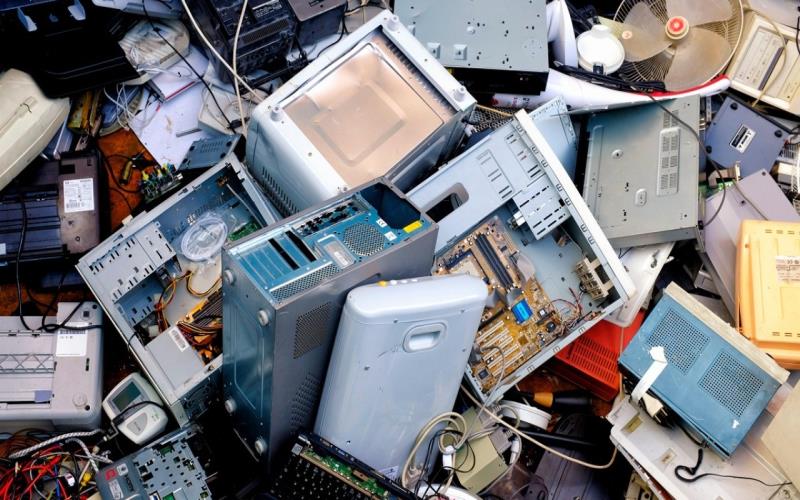
India’s rapid economic growth and changing consumption patterns have triggered an alarming rise in waste generation. In 2025, the country is expected to produce around 62 million tonnes of waste annually, with this figure projected to soar to 165 million tonnes by 2030. While solid waste and plastic waste are major contributors, electronic waste, or e-waste, has emerged as one of the fastest-growing waste streams in the country.
With India now ranking as the world’s third-largest producer of e-waste, the need for sustainable e-waste management has never been more urgent. As the volume of e-waste continues to grow, the environmental and health risks associated with improper disposal and recycling practices also intensify, demanding innovative solutions to address this mounting challenge.
The Risks of Informal Recycling Practices
A major issue with e-waste management in India is that nearly 95% of it is recycled in the informal sector. Unfortunately, the practices employed by informal recyclers are often hazardous to both human health and the environment. Sub-standard methods, like open burning of materials or the use of acid baths, are commonly used to extract precious metals from discarded electronics. These practices release toxic fumes into the air and harmful pollutants into the soil and waterways, contaminating the environment and posing severe health risks to the workers involved. The unregulated nature of this sector makes it difficult to ensure safe disposal practices and environmental sustainability.
The Need for a Circular Economy Approach
To address these challenges, India must adopt a circular economy model for e-waste management. The circular economy focuses on reducing waste, reusing materials, and recycling products to extend their lifecycle. A key element of this model is building robust infrastructure for formal e-waste recycling. Moreover, collaboration with research institutions can lead to the development of more efficient recycling technologies, helping recover valuable materials such as rare earth elements, gold, silver, and copper from old electronics.
Additionally, products designed for circularity, such as those made with recycled materials, can significantly decrease the environmental footprint of electronic devices.
Urban Mining: Unlocking the Potential of E-Waste
A transformative concept that can help tackle the e-waste problem is viewing e-waste as an “urban mine”. This refers to the practice of extracting valuable materials, such as metals and plastics, from discarded electronics and reusing them in the manufacturing of new products. By establishing efficient systems to recover these materials, India can reduce its reliance on virgin resources, minimize environmental degradation, and boost domestic resource security.
Empowering Stakeholders and Raising Awareness
In order to create an effective e-waste management ecosystem, it is crucial to involve multiple stakeholders, including manufacturers, recyclers, and consumers. One of the most important steps is enforcing Extended Producer Responsibility (EPR) regulations, which hold manufacturers accountable for the entire lifecycle of their products. By ensuring that they are responsible for the collection, recycling, and safe disposal of their products, EPR can significantly improve the management of e-waste in India.
Turning E-Waste into an Opportunity
India’s e-waste challenge is a growing concern, but it also presents a significant opportunity for sustainable development. Through responsible recycling practices, the recovery of valuable materials, and the establishment of robust infrastructure, India can reduce the environmental impact of e-waste and reclaim valuable resources.
Companies like Jain Metal Group are leading the way in adopting a circular economy model, where waste is minimized, and resources are continually reused. By integrating efficient recycling practices and promoting sustainable production methods, Jain Metal Group plays a crucial role in addressing the e-waste crisis. This approach not only helps reduce pollution but also stimulates economic growth, job creation, and environmental conservation. As the demand for recycling and responsible e-waste management continues to rise, it is time to transform India’s e-waste challenge into an e-revolution—one that contributes to a greener and more sustainable future for all.
