

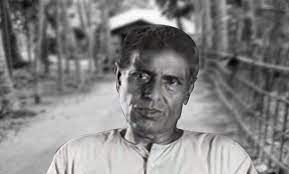
Introduction to Tulsi Lahiri
Tulsi Lahiri stands as an unforgettable figure in Indian arts and cinema. Known for his prodigious talent, Tulsi Lahiri left an indelible mark on the Bengali and Indian cultural landscape. Tulsi Lahiri is celebrated not only as an actor but also as a playwright whose creations have transcended generations. His works have inspired countless artists, and his powerful performances have left a lasting legacy.
Early Life and Inspirations
Born into a modest Bengali family, Tulsi Lahiri developed an early interest in theater and acting. His exposure to local drama troupes and classic Indian literature fueled his creative spirit. Throughout his youth, he explored literature and theatrical techniques, cultivating a profound appreciation for storytelling. This period laid the foundation for his journey in theater, allowing him to contribute significantly to Bengali drama.
Theater and Playwriting Contributions of Tulsi Lahiri
Tulsi Lahiri carved a niche in Bengali theater with his innovative storytelling and nuanced characters. His scripts often revolved around the complexities of human emotions, societal struggles, and ethical dilemmas. His plays became a medium to address issues close to his heart, including social injustices, personal morality, and the human condition. His influence extended beyond Bengal, with his works being staged across India.
One of his most acclaimed works is “Chandrabati,” a play that delves into the intricacies of love and loss. In addition, his political satires and socially conscious dramas gained him respect among peers and audiences. As a playwright, Tulsi Lahiri meticulously created relatable and layered characters that conveyed profound messages, making his plays timeless.
Breakthrough in Indian Cinema
In addition to theater, Tulsi Lahiri ventured into Indian cinema at a time when it was still evolving. His natural flair for acting, combined with his deep understanding of the human psyche, made him a cherished actor. He seamlessly transitioned from the stage to the screen, portraying various roles that resonated with audiences across social strata.
Tulsi Lahiri’s Acting Style and Philosophy
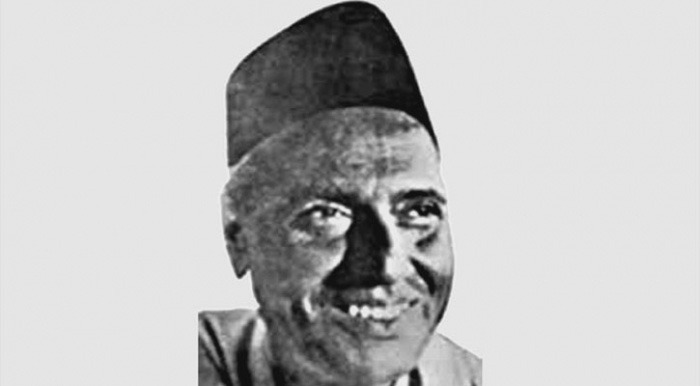
Tulsi Lahiri’s acting style was grounded in authenticity. He believed in fully immersing himself in his characters, giving each role its unique essence. His dedication to authenticity set him apart from his contemporaries, drawing widespread admiration. Whether playing a struggling protagonist or a supporting character, Tulsi Lahiri brought a remarkable depth to his performances, which captivated audiences and critics alike.
In interviews, Tulsi Lahiri often emphasized the importance of connecting with the character’s inner world. He viewed acting as more than mere performance—it was a way to bridge the emotions and experiences shared by humanity.
Prominent Films Featuring Tulsi Lahiri
Throughout his illustrious career, Tulsi Lahiri starred in numerous films that showcased his versatility. Notable among these is his role in “Dena Paona,” a film that explores the complexities of family relationships. His nuanced portrayal added emotional depth to the film, elevating it to an iconic status in Bengali cinema. Additionally, his role in “Chirakumar Sabha,” where he portrayed a character trapped in the social expectations of marriage, became emblematic of his ability to convey societal dilemmas through his performances.
Each of these roles demonstrated Tulsi Lahiri‘s uncanny ability to bring authenticity to his characters, and his films continue to be celebrated by Indian cinema enthusiasts today.
The Social Impact of Tulsi Lahiri’s Work
Beyond entertainment, Tulsi Lahiri’s work has been instrumental in sparking conversations on critical social issues. His storytelling addressed taboo topics, challenging traditional norms and inspiring thought-provoking dialogues. By portraying these issues through theater and film, Tulsi Lahiri broadened the scope of Bengali arts, creating an inclusive platform for underrepresented voices.
Read More Bio About: Chhabi Biswas
His plays, with their social messages, encouraged audiences to think critically about their surroundings and societal expectations. Through his work, Tulsi Lahiri initiated a wave of socially conscious art that resonated deeply with the public.
Tulsi Lahiri’s Legacy in Modern Times
The legacy of Tulsi Lahiri continues to influence Indian theater and cinema. His groundbreaking work laid a foundation for generations of actors, directors, and playwrights who aspired to bring realism and social relevance to their craft. Modern-day actors frequently study his works, and his methods remain a gold standard in performance arts training.
Several theater groups and film societies organize annual festivals to honor Tulsi Lahiri, ensuring that his contributions are celebrated and studied. His influence extends to literary studies, where his plays are included in academic syllabi, inspiring students and enthusiasts alike.
Personal Life of Tulsi Lahiri: A Glimpse Behind the Curtains

Despite his public success, Tulsi Lahiri led a private and humble personal life. Known for his simplicity, he cherished family values and stayed close to his roots. His friends and colleagues often praised him for his grounded nature and unassuming personality, which starkly contrasted with the fame he achieved.
Tulsi Lahiri’s Relationships and Family Life
Family was a central aspect of Tulsi Lahiri‘s life, and he often drew inspiration from his relationships. Although he kept his personal life away from the public eye, he remained devoted to his loved ones. His respect for family values often seeped into his work, which is evident in the emotionally charged themes he explored.
Tulsi Lahiri: A Source of Inspiration for Future Generations
Today, Tulsi Lahiri serves as a source of inspiration for emerging artists. His approach to acting and writing has inspired actors, writers, and directors to embrace authenticity. His life’s work teaches artists the importance of connecting deeply with their craft and upholding artistic integrity.
Celebrating Tulsi Lahiri’s Enduring Legacy
Numerous awards and honors have been posthumously conferred upon Tulsi Lahiri, recognizing his contributions to Indian arts. He remains a celebrated figure in theater and cinema, and his legacy is preserved through organizations dedicated to the preservation of Indian theater.
His works are frequently staged, reminding audiences of the enduring power of Tulsi Lahiri‘s artistic vision. In a world where fleeting fame often overshadows genuine talent, Tulsi Lahiri‘s legacy remains steadfast, celebrated for its sincerity and depth.
Conclusion: Tulsi Lahiri’s Unforgettable Contribution to Arts and Culture
Tulsi Lahiri’s life and work reflect the timeless power of storytelling. He embodied a unique combination of talent, social consciousness, and artistic discipline that remains rare. His contributions to Indian arts have set a high standard for creative excellence, and his name continues to be revered.
The arts owe a debt of gratitude to Tulsi Lahiri, a visionary whose work transcends time and continues to inspire. As we remember Tulsi Lahiri, we are reminded of the profound impact an artist can have on society and the role of art in shaping cultural consciousness.
