

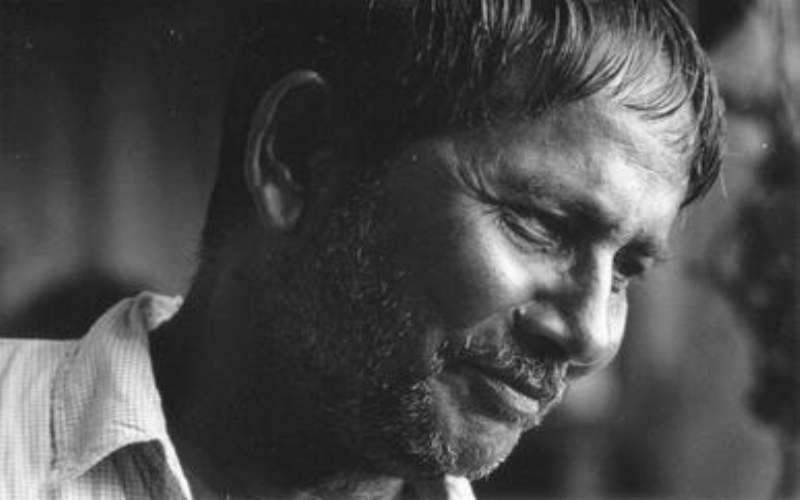
The name Rajen Tarafdar resonates with an exceptional era in Indian cinema. A multifaceted genius, Rajen Tarafdar left an indelible mark on Bengali cinema through his groundbreaking contributions as a director, screenwriter, and artist. His films are a confluence of art, storytelling, and a deep understanding of human emotions. In this article, we delve into the life, works, and legacy of Rajen Tarafdar, showcasing why his name holds a significant place in the cinematic world.
Early Life and Influences
Rajen Tarafdar was born in the cultural heartland of Bengal, a region known for its rich literary and artistic heritage. Growing up in this vibrant milieu, Rajen Tarafdar was deeply influenced by Bengali literature, music, and theater, which later became prominent elements in his cinematic creations. He exhibited an early interest in the arts, excelling in painting and storytelling, both of which later defined his unique style as a filmmaker.
Entry into Cinema
Tarafdar’s foray into the world of cinema was not immediate. Before establishing himself as a filmmaker, he worked as a graphic artist and art director. His background in visual arts gave him an unparalleled command over framing, composition, and visual storytelling. These skills became evident in his films, where every frame was a carefully crafted masterpiece.
In 1956, Rajen Tarafdar made his directorial debut with Antariksha, a film that garnered critical acclaim for its innovative narrative and visual aesthetics. This marked the beginning of a career that would span decades and redefine the landscape of Bengali cinema.
Notable Works by Rajen Tarafdar

1. Ganga (1960)
One of Rajen Tarafdar’s most celebrated films, Ganga is a poignant exploration of rural Bengal’s struggles and resilience. The film’s depiction of the river Ganges as a metaphor for life and survival was lauded by critics and audiences alike. Its realistic portrayal of human emotions, coupled with Tarafdar’s mastery of visual storytelling, made it an unforgettable cinematic experience.
2. Palanka (1975)
In Palanka, Rajen Tarafdar showcased his ability to delve into the complexities of human relationships. The film’s minimalist narrative, combined with its profound emotional depth, is a testament to Tarafdar’s storytelling prowess. The use of symbolism and visual metaphors in Palanka set it apart as a work of cinematic brilliance.
3. Jiban Kahini (1966)
This film further cemented Rajen Tarafdar’s reputation as a filmmaker of substance. Jiban Kahini explores existential themes, presenting a deep philosophical commentary on life and death. The film’s intellectual depth and aesthetic appeal made it a favorite among critics and intellectuals.
Cinematic Style and Philosophy
A Unique Visual Language
Rajen Tarafdar brought his background in art into his filmmaking, creating a visual language that was distinctively his own. His films are characterized by their painterly compositions, use of light and shadow, and meticulous attention to detail. Each frame is a visual treat, reflecting his artistic sensibilities.
Themes Rooted in Reality
Tarafdar’s films often focused on the struggles of the common man, addressing social, economic, and existential issues. His narratives were deeply rooted in the cultural and social realities of Bengal, making them relatable to a wide audience.
Innovative Storytelling
What sets Rajen Tarafdar apart is his ability to merge traditional storytelling with experimental techniques. He was unafraid to challenge conventions, introducing nonlinear narratives, symbolic imagery, and layered characters in his films.
Legacy of Rajen Tarafdar
Rajen Tarafdar remains a towering figure in Indian cinema, particularly in the Bengali film industry. His films are studied and celebrated for their artistic depth, technical excellence, and cultural significance. Despite not being as widely recognized as some of his contemporaries, Tarafdar’s influence is undeniable. His works continue to inspire filmmakers, artists, and cinephiles, proving that true artistry transcends time and trends.
Awards and Recognition
Throughout his career, Rajen Tarafdar received numerous accolades for his contributions to cinema. His films were frequently featured in national and international film festivals, earning critical acclaim for their innovative approach and universal themes. While he may not have amassed a large collection of awards, his true recognition lies in the enduring legacy of his films.
Impact on Modern Filmmaking
The influence of Rajen Tarafdar can be seen in the works of contemporary filmmakers who draw inspiration from his style and themes. His emphasis on visual storytelling, character depth, and socially relevant narratives set a benchmark for meaningful cinema. By seamlessly blending art and storytelling, Tarafdar proved that films could be both aesthetically pleasing and intellectually engaging.
Preservation and Revival of Tarafdar’s Works

In recent years, efforts have been made to preserve and restore Rajen Tarafdar’s films, ensuring that his masterpieces are accessible to future generations. Film societies, archives, and enthusiasts have played a crucial role in reviving interest in his work, highlighting its relevance in the modern era.
Why Rajen Tarafdar’s Legacy Matters
Cultural Relevance
Rajen Tarafdar’s films offer a glimpse into the socio-cultural fabric of Bengal during his time. They are invaluable resources for understanding the region’s history, struggles, and aspirations.
Artistic Brilliance
As a filmmaker, Tarafdar elevated cinema to an art form, proving that films could be as expressive and profound as any other medium of art.
Timeless Appeal
The themes and emotions explored in Rajen Tarafdar’s films remain relevant, resonating with audiences across generations.
Read More Bio About: Brindaban Das
Conclusion
Rajen Tarafdar was more than a filmmaker; he was a visionary who used cinema as a medium to explore and express the human condition. His contributions to Bengali cinema have left an indelible mark, inspiring generations of artists and filmmakers. By blending art, storytelling, and social commentary, Tarafdar created a body of work that stands as a testament to his genius.
