

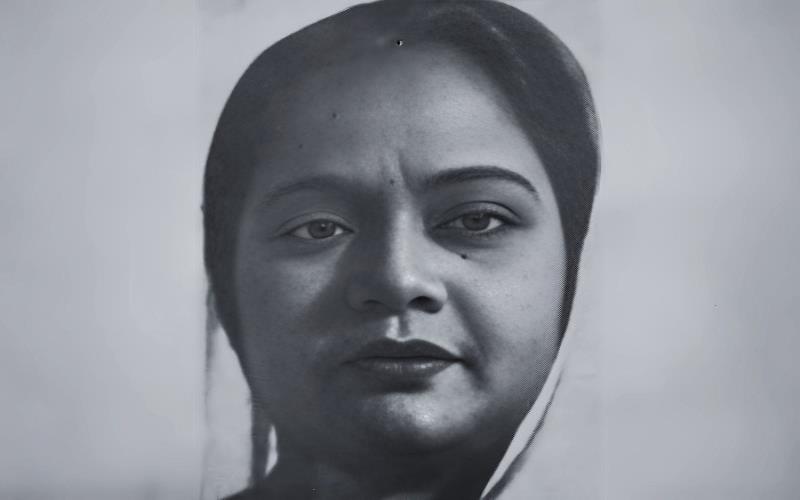
Sarajubala Devi, one of the earliest and most iconic actresses in Bengali cinema, is a name that commands reverence in the annals of Indian film history. Born at a time when the film industry was in its infancy, she carved out a path for women in an era when female roles in films were still rare. As one of the first leading ladies of Bengali cinema, Sarajubala’s contributions to the field were groundbreaking. Her grace, beauty, and acting prowess became synonymous with the early phase of Bengali film history, and she remains an influential figure whose legacy still resonates in the industry today.
Early Life and Background
Sarajubala Devi was born in the late 19th century in the cultural capital of India, Kolkata (then Calcutta). Though little is documented about her early life, it is known that she hailed from a Bengali family with strong cultural roots. Like many women of her time, Sarajubala was raised in an era where societal norms limited the opportunities available to women. Despite these limitations, she showed an early interest in the arts, particularly in acting and performance, which were gaining popularity during the British colonial period in India.
The Bengali film industry during the early 20th century was still in its nascent stages. Films were silent, and the few films that existed were often stage adaptations or experimental works. Sarajubala’s entry into this new and evolving world marked the beginning of a remarkable career that would help shape the course of Bengali cinema.
Read More Bio About: Tanishaa Mukerji
The Beginning of a Cinematic Journey
Sarajubala Devi’s entry into the film industry occurred at a time when cinema in India was still largely a male-dominated field. In 1927, at the age of 16, she made her debut in the film “Bilwamangal”, directed by D. B. Vasant. The film, which was based on the famous Bengali poet Bilwamangal, was a significant part of the Indian silent film era and is considered a milestone in the history of Bengali cinema. It was produced by the Royal Bengal Film Corporation, which was one of the first film production houses in the city.
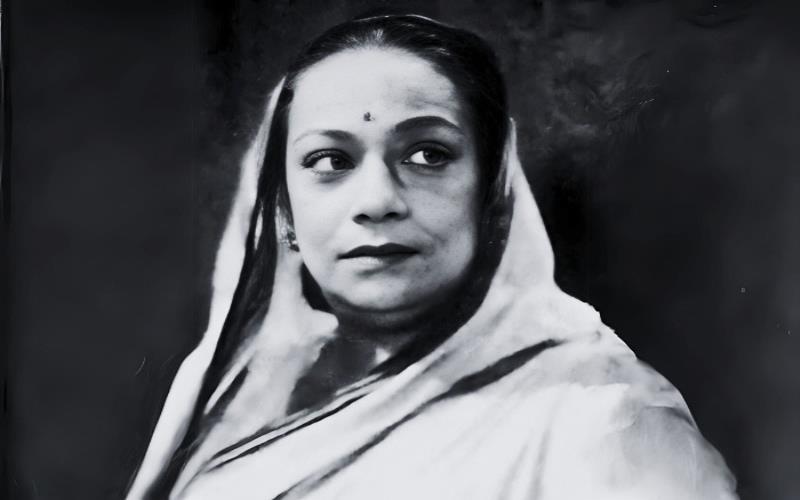
Bilwamangal was an adaptation of the mythological story of a priest who falls in love with a prostitute, and it was one of the few silent films to feature a female protagonist. Sarajubala’s performance in the film was marked by her poise, elegance, and emotional depth, even though it was a silent film. Her portrayal of the female lead was not just a physical representation but an emotional journey, effectively conveying the subtleties of her character through body language and facial expressions, which were the only means of communication in silent cinema.
At this stage in cinema, where women were rarely featured in central roles, Sarajubala’s debut performance was groundbreaking. She was one of the first actresses in Bengali cinema to be recognized for her acting abilities, a position that would see her rise to fame in the years to come.
Breakthrough: Silent Films and Early Fame
The 1920s and early 1930s marked the rise of Sarajubala Devi as one of the leading actresses in Bengali cinema. After Bilwamangal, she appeared in several other films, many of which were adaptations of popular literary works. Her early filmography includes works like “Nimai Sannyas” (1930), “Krishna Kanta’s Will” (1930), and “Durgesh Nandini” (1933). These films, like much of the early Bengali cinema, were based on historical or mythological themes and heavily influenced by literature and theater.
Sarajubala’s ability to transcend the constraints of silent cinema is noteworthy. She understood the power of expression in an era where there were no dialogues or sound to convey emotions. Her screen presence was magnetic, and she quickly became one of the most popular actresses of her time. While many actresses in the silent film era relied solely on their looks or physicality to communicate, Sarajubala brought a certain emotional depth to her roles that made her performances stand out. She used her facial expressions, body language, and movement to speak to the audience, giving her characters a profound sense of humanity that made her performances resonate with viewers.
Her impeccable screen presence and graceful demeanor won her a loyal following, making her one of the most sought-after actresses in Bengali cinema. At a time when actresses were often relegated to secondary roles or stereotypical parts, Sarajubala Devi broke barriers and paved the way for future generations of women in the industry.
Transition to Talkies: The Advent of Sound Cinema
With the advent of sound films in the late 1930s, the film industry saw a revolutionary shift. The introduction of sound brought new opportunities and challenges for actors and filmmakers. It was during this period that the transition from silent films to talkies began to take place. Sarajubala Devi, like many other actresses, had to adapt to this new medium. Her transition from silent films to “talkies” was a significant turning point in her career, and she was able to successfully make this shift, unlike many other actresses from the silent era.
Her first film in the talkie era was “Vishnu Maya” (1934), which was a great success. The film, which was a religious drama, allowed Sarajubala to showcase her versatility as an actress. With the advent of sound, her acting abilities were now enhanced by her voice, adding a new dimension to her on-screen persona. She was able to express a wider range of emotions and deliver dialogues with clarity, making her performances even more impactful.
During the 1930s and 1940s, Sarajubala continued to rise in prominence, working in some of the most important films of the period. “Seeta” (1934) and “Rajputra” (1941) were among the key films that solidified her place as one of the leading actresses of her time.
Legacy and Contributions to Bengali Cinema
Sarajubala Devi’s contribution to Bengali cinema extends beyond just her acting. She was one of the first women to become a prominent figure in the industry, and her work helped lay the foundation for future actresses who would follow in her footsteps. She was not just a trailblazer in terms of her screen presence but also a symbol of the evolving role of women in cinema. Her career spanned a critical time in the history of Indian cinema, from the silent film era to the advent of sound and color, and her work reflects the changing nature of cinema during these transformations.
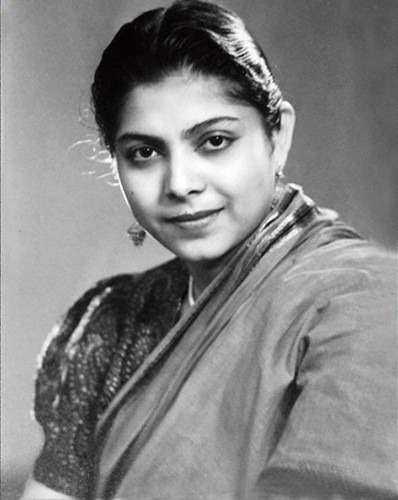
Her legacy also includes the way she approached her roles. As a woman in the film industry, she was often tasked with playing characters that were traditionally expected to be passive or secondary. However, Sarajubala brought depth and complexity to her characters, defying the typical stereotypes of female roles in early cinema. She played strong, complex, and emotionally rich characters that reflected the evolving social and cultural landscape of Bengal.
In many ways, Sarajubala’s roles also reflected the tensions between tradition and modernity that were prevalent in colonial Bengal. She often portrayed women who were both traditional and progressive, reflecting the complexities of women’s lives in a rapidly changing world.
Personal Life and Later Years
While Sarajubala Devi’s professional life was marked by tremendous success, she was known to be a private person who kept her personal life away from the public eye. She married and settled into a quiet life after her career began to wind down. Despite her decision to step away from the limelight, her contributions to the film industry remained significant.
Sarajubala’s work in the early stages of Bengali cinema helped shape the identity of the industry, and her legacy continues to inspire filmmakers and actors to this day. In an era when women were still struggling to find a strong foothold in the entertainment industry, she paved the way for the future.
Conclusion
Sarajubala Devi’s career stands as a testament to the transformative power of cinema and the pivotal role that women have played in shaping the industry. From her humble beginnings in silent films to her successful transition into sound cinema, she was a true pioneer of her time. Sarajubala helped lay the foundation for the Bengali film industry and became an emblem of talent, grace, and versatility. Though she may no longer be with us, her influence continues to be felt in the work of actors, filmmakers, and cinema lovers who look back at her illustrious career with admiration.
Today, Sarajubala Devi is remembered as one of the earliest icons of Indian cinema, whose legacy continues to inspire and influence the world of cinema. Her contributions to Bengali cinema have made her a timeless figure in the history of Indian film, and her work continues to resonate with audiences who celebrate her unique place in the pantheon of great actresses.
