

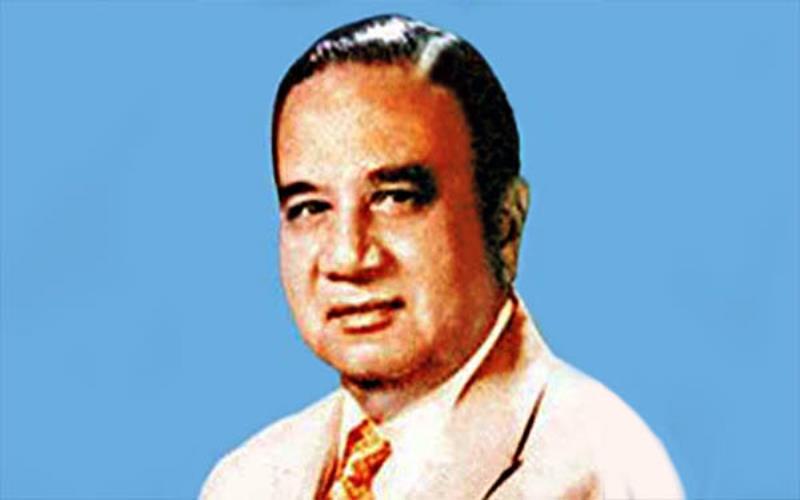
Huseyn Shaheed Suhrawardy was an iconic figure in the political landscape of South Asia, particularly in the history of Bangladesh, Pakistan, and India. His legacy as a prominent lawyer, a visionary politician, and a tireless advocate for democracy has left an indelible mark on the subcontinent’s political history. In this article, we delve into the life and achievements of Huseyn Shaheed Suhrawardy, providing a detailed insight into his early life, education, political career, and legacy.
Read more about bio: N Viswanathan
Personal Details Table
| Attribute | Details |
|---|---|
| Full Name | Huseyn Shaheed Suhrawardy |
| Date of Birth | September 8, 1892 |
| Place of Birth | Midnapore, Bengal Presidency, British India |
| Date of Death | December 5, 1963 |
| Place of Death | Beirut, Lebanon |
| Nationality | Bangladeshi/Pakistani |
| Occupation | Politician, Lawyer |
| Education | University of Calcutta, Oxford University |
| Notable Positions | Prime Minister of Pakistan (1956-1957) |
| Political Affiliations | All India Muslim League, Awami League |
Early Life and Education
Huseyn Shaheed Suhrawardy was born on September 8, 1892, in Midnapore, located in present-day West Bengal, India. He hailed from a distinguished and educated family. His father, Justice Sir Zahid Suhrawardy, was a renowned jurist, and his mother, Khujesta Akhtar Banu, was known for her intellect and devotion to education.
Suhrawardy’s early education was at Calcutta Madrasa and later at St. Xavier’s College, Kolkata. He pursued higher education at Calcutta University, where he earned a degree in science and law. To further his academic aspirations, he attended Oxford University in England, where he received his degree in Jurisprudence and was called to the Bar at Gray’s Inn, London.
His education in the UK equipped him with a strong foundation in law and governance, which later became instrumental in his political career.
Entry into Politics
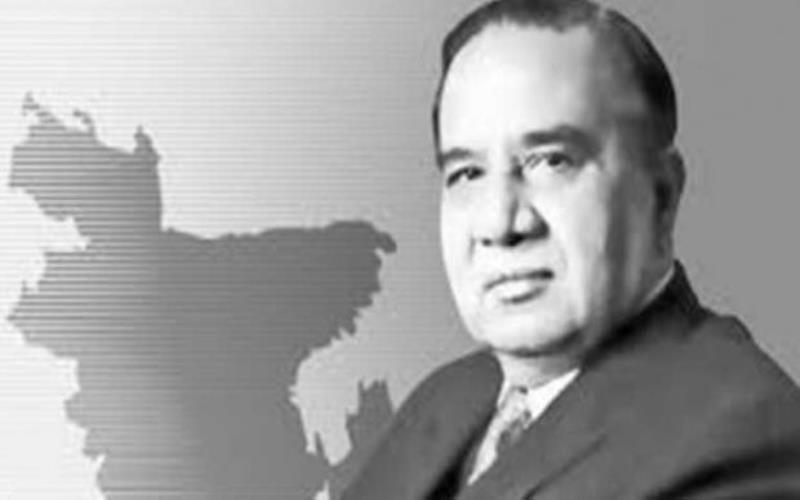
Upon returning to India, Huseyn Shaheed Suhrawardy embarked on a legal career and soon transitioned into politics. He joined the All India Muslim League in the early 1920s and became actively involved in the freedom movement. Suhrawardy’s eloquence, legal acumen, and commitment to public service quickly earned him recognition.
He was deeply influenced by the political environment of the time, where Indian Muslims were fighting for their rights under British colonial rule. Suhrawardy played a significant role in advocating for the political rights and socio-economic upliftment of Muslims in India.
The Bengal Famine and Suhrawardy’s Role
One of the most challenging phases in Suhrawardy’s career was his tenure as the Premier of Bengal during the Bengal Famine of 1943. The famine resulted in the deaths of millions due to starvation and malnutrition. As the Premier, Suhrawardy faced immense criticism for his handling of the crisis, but he also took significant measures to alleviate the suffering by coordinating relief efforts and advocating for food distribution.
Despite the controversy surrounding his role, Suhrawardy’s leadership during this crisis reflected his resilience and dedication to serving the people.
The Partition of India and the Creation of Pakistan
As the movement for the partition of India gained momentum, Huseyn Shaheed Suhrawardy emerged as a key figure advocating for the rights of Muslims. He supported the creation of Pakistan and worked closely with leaders such as Muhammad Ali Jinnah. Suhrawardy’s vision was to create a state where Muslims could live with dignity, freedom, and political autonomy.
In 1947, as India gained independence and was divided into India and Pakistan, Suhrawardy found himself in a unique position. He played a crucial role in maintaining communal harmony in Kolkata during the partition riots and worked towards ensuring a peaceful transition.
Political Career in Pakistan
After the creation of Pakistan, Huseyn Shaheed Suhrawardy moved to the newly formed state and continued his political journey. He became a central figure in Pakistani politics and founded the Awami League in 1949. His party aimed to represent the interests of the people of East Pakistan (now Bangladesh) and sought greater autonomy and democracy.
In 1956, Suhrawardy achieved a significant milestone when he became the Prime Minister of Pakistan. His tenure, though brief (1956-1957), was marked by progressive policies, efforts to strengthen democracy, and attempts to bridge the gap between East and West Pakistan.
Achievements as Prime Minister
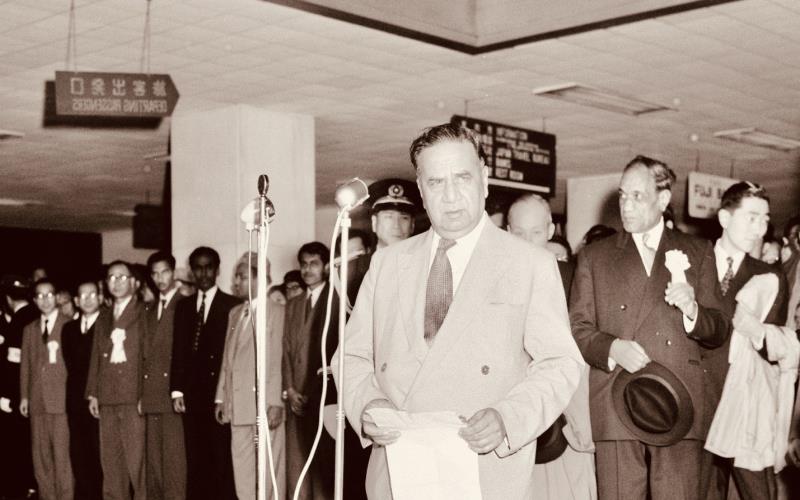
During his term as Prime Minister, Huseyn Shaheed Suhrawardy focused on:
- Promoting Democracy: He advocated for a federal structure and democratic governance.
- Economic Development: Suhrawardy initiated policies to improve the economy of both wings of Pakistan.
- International Relations: He strengthened Pakistan’s ties with Western countries and participated in international forums.
However, political instability and opposition from various factions led to his resignation in 1957.
Legacy and Later Life
Following his resignation, Huseyn Shaheed Suhrawardy continued to work towards strengthening democracy and justice. Unfortunately, his political activities were curtailed by subsequent military regimes. In 1962, he was arrested on charges of conspiracy, which many believed were politically motivated.
Suhrawardy spent his final days in Beirut, Lebanon, where he passed away on December 5, 1963. His death marked the end of an era of democratic advocacy in the subcontinent.
Impact on Bangladesh
Huseyn Shaheed Suhrawardy’s vision for democracy and autonomy significantly influenced the political consciousness of East Pakistan, which later led to the formation of Bangladesh in 1971. His contributions are remembered with great respect, and he is considered one of the pioneers of Bangladesh’s struggle for independence.
Conclusion
The life of Huseyn Shaheed Suhrawardy was marked by his unwavering commitment to justice, democracy, and the rights of the oppressed. His legacy continues to inspire generations of politicians and activists in Bangladesh and beyond. From his early days as a lawyer to his role as the Prime Minister of Pakistan, Suhrawardy’s contributions have left an enduring impact on South Asian history.
