

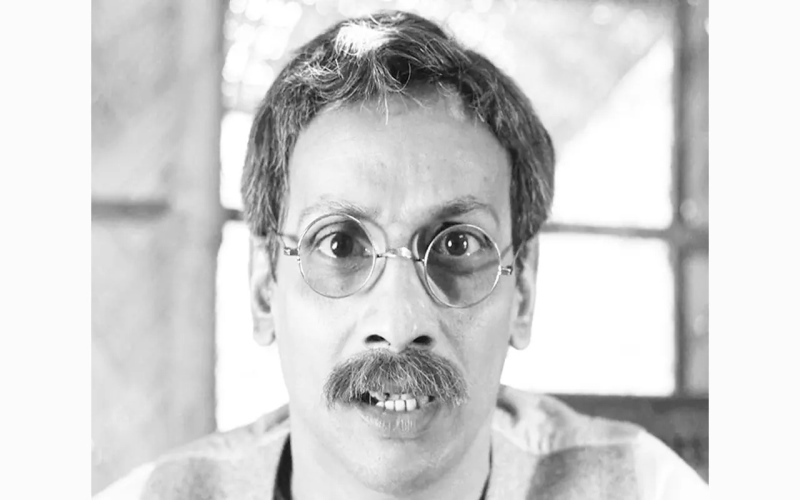
Bijon Bhattacharya was a luminary in the realm of Bengali theatre, a man whose contributions to the cultural fabric of Bengal remain indelible. His work spanned several decades, and his impact continues to reverberate through the worlds of theatre, cinema, and social activism. A man of considerable intellect, artistic depth, and revolutionary spirit, Bhattacharya’s journey was one of constantly pushing boundaries and challenging conventions, making him one of the most influential figures in 20th-century Bengali arts.
Early Life and Education
Bijon Bhattacharya was born on November 9, 1916, in the city of Kolkata (then Calcutta), which was a hotbed of intellectual, cultural, and political activity during the British colonial period. His early years were marked by the socio-political upheavals that were sweeping through India, with the freedom struggle gaining momentum. Raised in a culturally rich environment, Bhattacharya was exposed to literature, art, and theatre from a young age, shaping his creative consciousness.
His academic background was rooted in the study of literature and the humanities. Bhattacharya attended Presidency College in Kolkata, where he pursued a degree in English literature, a field that would greatly influence his later works. His time in college was marked by exposure to the works of great writers and playwrights, both Indian and Western, which helped shape his artistic vision.
At this juncture, it was not just academic learning that influenced Bhattacharya. The political climate of the time also had a profound impact on him. The period leading up to India’s independence in 1947 saw massive social and political upheaval, and these events were critical in forming his worldview. Influenced by the ideals of social reform, humanism, and anti-colonialism, Bhattacharya began developing a deep interest in the potential of theatre as a medium for social change.
Theatrical Beginnings: The Search for a New Dramatic Language
Bijon Bhattacharya foray into theatre was both intellectual and creative. During the 1930s and 1940s, the Bengali theatre scene was undergoing a transformation. While traditional Bengali theatre was dominated by melodrama and Sanskritic influences, a new wave of experimental, socially-conscious theatre was beginning to take shape. The rise of the Indian People’s Theatre Association (IPTA) was a significant moment in this process, and Bijon Bhattacharya would soon become one of its most prominent voices.
IPTA was a group that sought to use theatre as a tool for political and social change, drawing upon the revolutionary spirit of the time. The group believed that theatre should not merely entertain but also educate and mobilize people for the betterment of society. This ethos resonated deeply with Bhattacharya, who saw in theatre a medium through which the masses could be awakened to social injustice, inequality, and oppression.
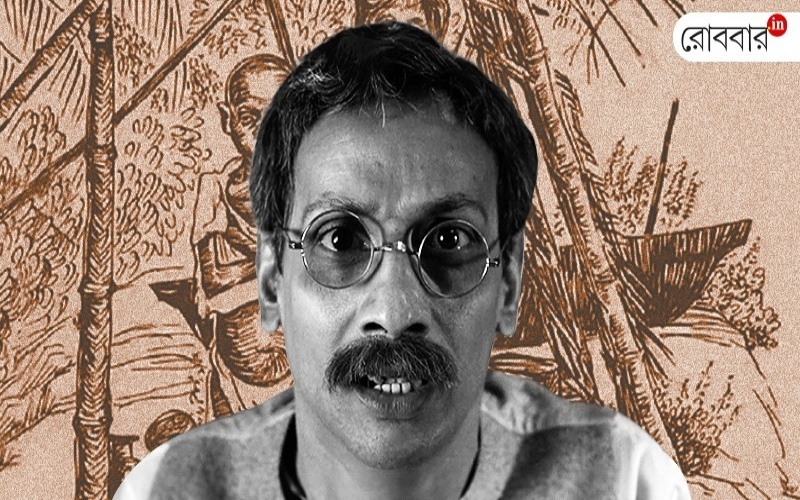
Bhattacharya’s first major contribution to the world of theatre was his involvement with the group, though he quickly made a name for himself as a playwright and director in his own right. His most famous work, *Naksha* (The Map), written in 1944, is a reflection of this early involvement with the IPTA and his commitment to socially relevant theatre. In *Naksha*, Bhattacharya used the metaphor of a map to critique the colonial and imperialistic forces that had shaped the history of India. The play highlighted the struggles of the common people, the forgotten history of the subaltern, and the need for collective action.
Naksha and the Theatre of Protest
*Naksha* is perhaps the most iconic work in Bhattacharya’s theatre Celebrity career and stands as a symbol of his artistic vision. The play focuses on the social, political, and economic struggles of the common people of Bengal, set against the backdrop of the colonial period. It is deeply rooted in the Marxist ideology that Bhattacharya embraced during his youth, making it both a product of its time and an enduring critique of the prevailing socio-political structures.
What made *Naksha* stand apart from traditional plays was its stark realism and social commentary. The narrative was built around the struggles of common men and women, whose lives had been shaped and broken by the forces of imperialism, feudalism, and capitalist exploitation. Through his evocative and nuanced portrayal of characters, Bhattacharya challenged the complacency of the audience and urged them to confront the inequities of their society. He used the stage not just as a place for entertainment, but as a site for political education and social mobilization.
The play’s success cemented Bhattacharya’s status as a powerful voice in Bengali theatre. It was not only a critical triumph but also a political statement, calling for a new era in Indian theatre—one that would focus on the real issues facing the masses, rather than the escapist fantasies that had dominated the stage for so long.
The IPTA and Beyond: Expanding the Horizons of Theatre
Bijon Bhattacharya association with the IPTA was a defining feature of his early career, but his work transcended the confines of any one organization. He continued to work with various theatre groups, always searching for new ways to express his revolutionary ideas. In the years following *Naksha*, he experimented with a variety of forms and styles, including both traditional and modern techniques. His plays were marked by their versatility, blending realism with symbolic elements, and using the stage as a dynamic space where ideas could be explored and debated.
One of the notable characteristics of Bhattacharya’s theatre was its accessibility. He believed that theatre should not be a luxury for the elite, but rather a space for the common people to engage with. In this way, he democratized the stage, bringing it out of the privileged enclaves of Kolkata’s theatre circles and into the lives of ordinary men and women.
His involvement with the IPTA also brought him into contact with many other prominent figures in Indian theatre and cinema, including the famous director and playwright, Habib Tanvir, and the legendary actor, Utpal Dutt. Bhattacharya’s collaborations with these and other artists played a significant role in shaping the trajectory of Bengali theatre, creating a rich cross-pollination of ideas that would influence generations of artists to come.
Contribution to Cinema: A Natural Extension of Bhattacharya’s Vision
While Bhattacharya is primarily known for his work in theatre, his contributions to cinema were equally important in shaping the cultural landscape of Bengal. Like many of his contemporaries, Bhattacharya saw film as a powerful medium for social change, and he brought his revolutionary ideals to the silver screen.
Bhattacharya worked as a writer, director, and actor in several films, each of which reflected his commitment to social realism and humanist values. His foray into cinema came at a time when Bengali cinema was undergoing a period of transition. The 1950s and 1960s saw the emergence of the New Bengali Cinema, led by filmmakers like Satyajit Ray, Ritwik Ghatak, and Mrinal Sen, who were reshaping the language of Indian cinema with their nuanced and socially engaged storytelling.
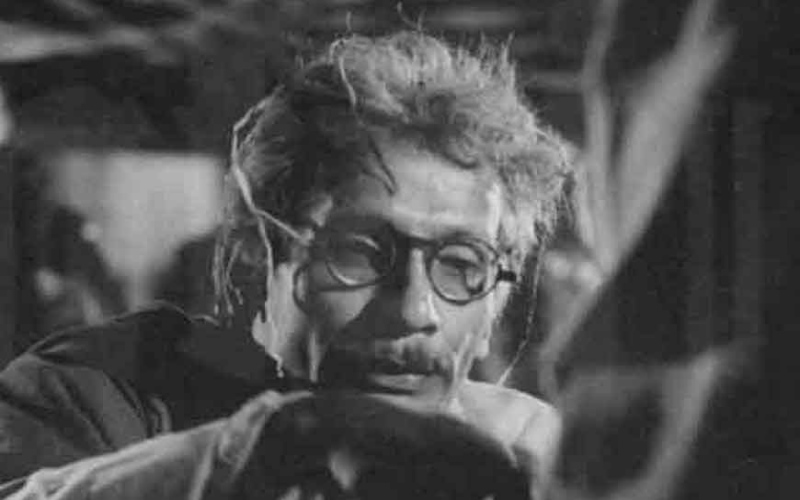
Bijon Bhattacharya work in cinema echoed the themes of his theatre. His films were concerned with the lives of ordinary people, the struggles of the working class, and the social and political issues of the day. He was keenly aware of the power of cinema to reach a mass audience and was determined to use it as a tool for progressive change.
One of Bhattacharya’s notable works in cinema was his involvement with the film *Raat Bhore* (1949), which explored the harsh realities of urban life in Kolkata. The film dealt with issues such as poverty, exploitation, and the alienation of the individual in the modern city, themes that were central to his broader artistic vision. Bhattacharya’s exploration of these issues in cinema was just as potent as his work on the stage, demonstrating his versatility as an artist and his commitment to addressing the pressing issues of his time.
Bhattacharya’s Influence and Legacy
Bijon Bhattacharya’s legacy is multifaceted and enduring. His contributions to Bengali theatre, particularly through his association with the IPTA and his groundbreaking plays like *Naksha*, continue to inspire theatre practitioners and scholars today. He was one of the key figures in the development of modern Bengali theatre, and his work played a crucial role in shaping the direction of post-independence Indian theatre.
Bhattacharya’s political activism, too, left an indelible mark on the cultural landscape. Throughout his life, he remained committed to the causes of social justice, human rights, and the empowerment of the marginalized. His work transcended the realm of art and entered the domain of social activism, making him not just a playwright and director, but also a public intellectual and a champion of progressive causes.
His influence extended beyond theatre and cinema. Bhattacharya was also a mentor to countless young artists, playwrights, and filmmakers, many of whom went on to become prominent figures in their own right. His creative and intellectual legacy continues to shape the artistic traditions of Bengal and beyond.
Bijon Bhattacharya passed away in 1981, but his work remains a touchstone for anyone seeking to understand the intersection of art, politics, and society in modern Bengal. Through his visionary approach to theatre and film, his commitment to social change, and his intellectual rigor, Bhattacharya remains one of the towering figures in the history of Bengali culture. His life and work continue to serve as an inspiration to generations of artists, activists, and cultural thinkers, ensuring that his vision endures for years to come.
In a world increasingly preoccupied with spectacle and commercialism, the legacy of Bijon Bhattacharya reminds us of the power of art to inspire, educate, and transform society. His work remains a testament to the transformative potential of theatre and cinema, showing us that art is not merely a reflection of the world, but a powerful agent for change.
