

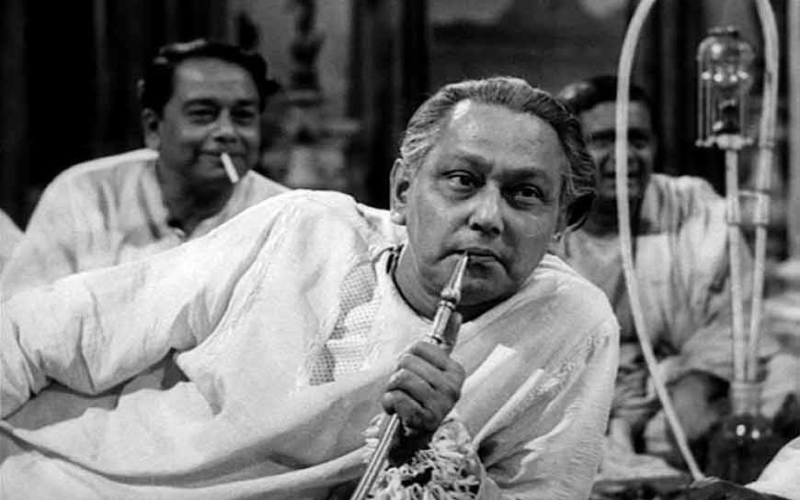
Chhabi Biswas, an illustrious actor in Indian cinema, is celebrated as one of the most revered figures in Bengali film history. With his compelling on-screen presence and versatility, Biswas redefined acting for future generations. This article delves into the life, career, and contributions of Chhabi Biswas, spotlighting his artistic journey and exploring his legacy in Indian cinema.
Early Life and Background
Born on July 12, 1900, in Kolkata, Chhabi Biswas grew up during a period when the Bengali cultural renaissance was flourishing. Biswas was exposed to a wealth of artistic influences early on, fueling his desire to pursue a career in the arts. Unlike many of his contemporaries, he began his career in theater, a platform that allowed him to harness his dramatic skills and expressive range.
Transition to Cinema
While Biswas initially thrived in theater, the emerging medium of film soon captivated him. His entry into the film industry came at a time when Bengali cinema was experiencing a golden age. The 1930s and 1940s marked a pivotal era for Chhabi Biswas as he transitioned seamlessly from stage to screen, bringing with him an unparalleled gravitas that would redefine Bengali cinema. Biswas’s theater background enabled him to excel in films, where his powerful performances attracted widespread attention.
Rise to Prominence in Bengali Cinema

Throughout his career, Chhabi Biswas starred in numerous Bengali films, becoming a favorite among directors and audiences alike. He collaborated with renowned directors like Satyajit Ray and Tapan Sinha, who recognized his extraordinary talent and often cast him in significant roles. His role in Kabuliwala (1957), based on a story by Rabindranath Tagore, solidified his status as an iconic figure. Biswas’s portrayal of the Kabuliwala was both nuanced and emotionally charged, making him a household name across Bengal.
Collaboration with Satyajit Ray
One of the most celebrated collaborations of Chhabi Biswas was with acclaimed filmmaker Satyajit Ray. In Jalsaghar (1958), Biswas’s portrayal of a feudal landlord struggling with the changing times remains one of his most memorable performances. His nuanced acting brought depth to the character, making the film a cornerstone of Bengali cinema. Ray’s trust in Chhabi Biswas’s abilities allowed the actor to shine, further cementing his place in cinematic history.
Versatility Across Roles
Chhabi Biswas was known for his versatility, easily moving between genres and character types. Whether he was playing a villain, a noble landlord, or a compassionate father, Biswas brought a remarkable authenticity to each role. His performance in Jalsaghar, for instance, was a masterclass in restraint and subtlety, showcasing his understanding of complex human emotions. This versatility became his trademark, earning him a lasting place in Bengali cinema.
Impact on Indian Cinema
Chhabi Biswas was not only a pioneer of Bengali cinema but also a significant figure in Indian cinema as a whole. His contributions helped elevate the standard of acting, particularly in the portrayal of complex characters. Biswas’s dedication to his craft and his ability to bring characters to life influenced a generation of actors, including contemporary giants who often cite him as an inspiration. His role in promoting Bengali culture and literature through film has left an indelible mark on the industry.
Read More Bio About: biplab chatterjee
Legacy and Influence
Even after his untimely death in 1962, Chhabi Biswas continues to be celebrated for his contributions to the world of cinema. His influence can be seen in the works of later actors and directors who strive to emulate his level of dedication and artistic integrity. The Chhabi Biswas legacy endures, with many of his films still regarded as masterpieces of Indian cinema. His unique ability to connect with audiences and convey deep emotions set a standard that few have been able to match.
The Enduring Appeal of Chhabi Biswas’s Films

Biswas’s films remain a testament to his extraordinary talent and continue to attract viewers worldwide. The timeless quality of his performances, coupled with the universal themes in his films, has ensured that Chhabi Biswas remains relevant to new generations of cinema lovers. Each of his movies offers a glimpse into his genius, inviting viewers to experience the magic of his artistry.
Conclusion
Chhabi Biswas was an actor ahead of his time, whose influence on Indian cinema cannot be overstated. His powerful performances, dedication to the craft, and role in shaping Bengali cinema have secured his legacy as one of the greatest actors in Indian history. As we reflect on his life and achievements, it becomes clear that Chhabi Biswas was more than just an actor; he was a symbol of excellence in Indian cinema.
