

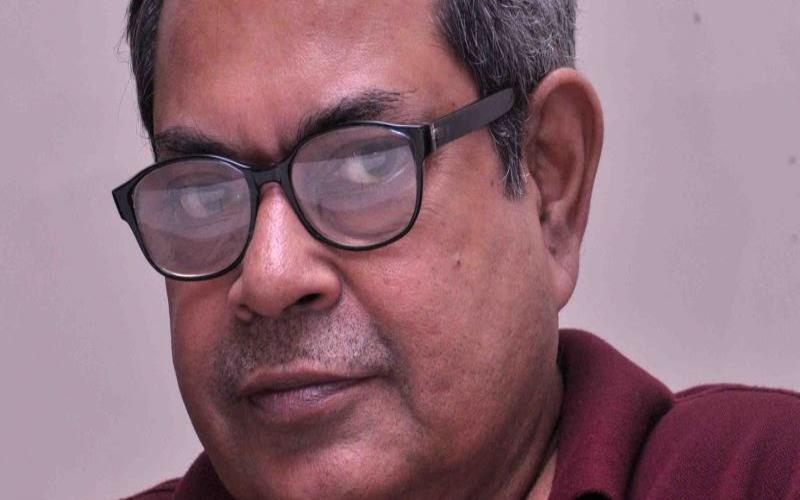
Dwijen Bandyopadhyay was a revered name in the world of Bengali theatre, television, and cinema. His immense contributions to the cultural and artistic landscape of Bengal remain unparalleled, and his journey reflects an unyielding passion for storytelling, acting, and the promotion of art. From his humble beginnings to becoming a household name, Bandyopadhyay’s life and legacy inspire generations of artists and enthusiasts. This article delves into his remarkable life, tracing his achievements, challenges, and the indelible mark he left on Bengali culture.
Read more about bio: Neel Bhattacharya
Early Life and Background
Dwijen Bandyopadhyay was born in a modest family in Bengal. His early years were marked by a deep curiosity for the arts. Growing up in an era where literature, theatre, and music thrived as primary forms of entertainment, young Dwijen was naturally drawn to the world of creativity.
Though information about his exact birth date and early education remains limited, it is evident that his environment played a significant role in shaping his artistic inclinations. The rich cultural fabric of Bengal, interwoven with the works of luminaries like Rabindranath Tagore and Girish Chandra Ghosh, influenced Bandyopadhyay’s perspective and sparked his interest in theatre and acting.
Rise to Prominence in Theatre
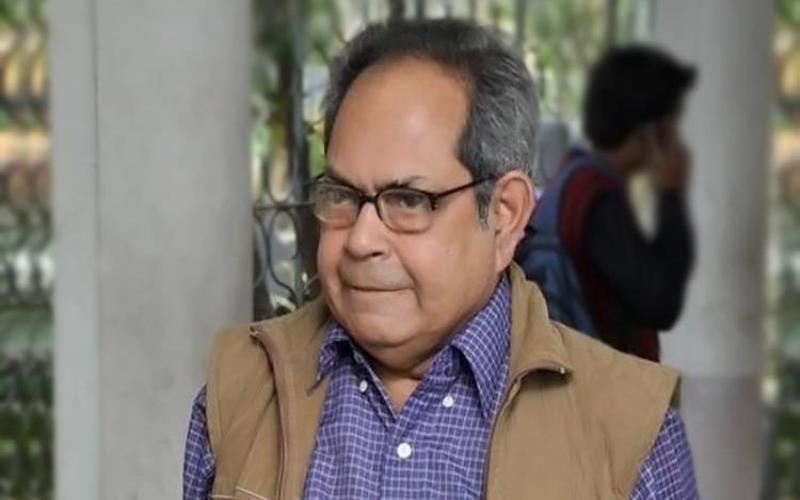
Dwijen Bandyopadhyay’s tryst with theatre began during his youth when he started performing in local productions. His deep voice, expressive eyes, and ability to convey complex emotions set him apart from his contemporaries.
The Journey with Group Theatre
Group theatre in Bengal was a thriving movement during Bandyopadhyay’s formative years. These theatrical collectives were dedicated to promoting socially relevant and thought-provoking plays. Dwijen Bandyopadhyay became actively involved with prominent theatre groups, collaborating with some of the finest directors and writers of the time.
He gained recognition for his powerful performances in plays that addressed pressing social and political issues. His work in theatre wasn’t limited to acting; he was also deeply involved in direction, set design, and other aspects of production. His versatility and dedication earned him respect among peers and audiences alike.
Signature Roles
Bandyopadhyay excelled in both classical and contemporary roles. Some of his most memorable performances were in adaptations of works by playwrights such as Bertolt Brecht and Utpal Dutt. His portrayal of complex characters left an indelible mark on Bengali theatre and contributed to the movement’s intellectual depth and appeal.
Transition to Television and Cinema
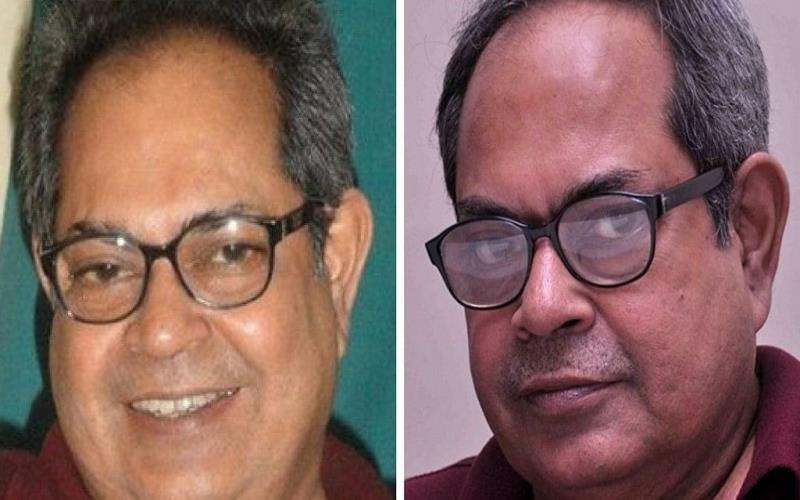
While Dwijen Bandyopadhyay had firmly established himself in theatre, the rise of television in Bengal during the 1970s and 1980s presented new opportunities. Recognizing the potential of the medium to reach a broader audience, Bandyopadhyay transitioned to television, bringing his theatrical finesse to the small screen.
Memorable Television Roles
Dwijen Bandyopadhyay became a household name through his appearances in popular Bengali television serials. His impeccable dialogue delivery, nuanced expressions, and ability to connect with the audience made him a favorite among viewers.
One of his most iconic roles was in the TV series “Raaikishori,” where his performance was lauded for its depth and sensitivity. His portrayal of multi-layered characters showcased his adaptability and helped elevate the standards of Bengali television acting.
Contribution to Bengali Cinema
Although theatre and television were his primary domains, Bandyopadhyay also left his mark on Bengali cinema. His roles in films such as “Hirer Angti” and “Muktodhara” demonstrated his ability to seamlessly transition from stage to screen. These performances, though fewer in number, were significant in showcasing his acting prowess to a larger audience.
Style and Craft: What Made Dwijen Bandyopadhyay Stand Out?
Dwijen Bandyopadhyay’s acting style was a blend of classical theatrical techniques and contemporary realism. His ability to inhabit a character was rooted in rigorous preparation and a deep understanding of human emotions.
Theatrical Training
Bandyopadhyay was a firm believer in the importance of training for actors. He adhered to the principles of method acting, often immersing himself fully in his roles. Whether it was a historical character or a modern-day protagonist, he approached every role with the same level of dedication.
Voice Modulation and Expression
One of his most striking attributes was his voice. Deep, resonant, and commanding, his voice could evoke a range of emotions, from anger to sorrow to joy. Coupled with his expressive face and body language, he could convey the subtlest nuances of a character’s inner world.
Legacy in Theatre and Beyond
Dwijen Bandyopadhyay’s contributions extended beyond his own performances. He was an educator, mentor, and advocate for the arts, inspiring countless young actors and directors.
Mentorship and Training
Bandyopadhyay believed in nurturing the next generation of artists. He conducted workshops and training sessions, emphasizing the importance of discipline, creativity, and social responsibility in art. Many of his students went on to become prominent figures in Bengali theatre and cinema, carrying forward his teachings and philosophy.
Advocacy for Theatre
In an age where digital entertainment often overshadowed traditional art forms, Bandyopadhyay was a vocal advocate for the preservation and promotion of theatre. He worked tirelessly to ensure that the rich legacy of Bengali theatre remained relevant and accessible to contemporary audiences.
Challenges and Triumphs
Like many artists of his era, Dwijen Bandyopadhyay faced his share of challenges. The struggle for financial stability, the evolving tastes of audiences, and the limitations of resources in theatre posed significant hurdles. However, his resilience and passion for his craft enabled him to overcome these obstacles.
His ability to adapt to changing mediums and genres without compromising his artistic integrity was a testament to his versatility and commitment.
Recognition and Awards
Dwijen Bandyopadhyay’s contributions did not go unnoticed. He received numerous awards and accolades throughout his career, celebrating his achievements in theatre, television, and cinema. These honors served as a reminder of his impact on Bengali culture and his unwavering dedication to the arts.
Some Notable Awards
- Best Actor Award (Theatre): For his groundbreaking performances in group theatre productions.
- Lifetime Achievement Award: In recognition of his contributions to Bengali theatre and television.
- Special Jury Award: For his role in promoting socially conscious art through theatre.
Personal Life and Philosophy
While much of Dwijen Bandyopadhyay’s life was dedicated to his craft, he also valued his personal relationships and community. Known for his humility and generosity, he was a beloved figure among his peers and fans.
Family Life
Bandyopadhyay maintained a strong bond with his family, who supported him through the highs and lows of his career. Despite his busy schedule, he prioritized spending time with his loved ones and remained grounded in his values.
Beliefs and Values
He believed that art had the power to transform society and often emphasized the importance of storytelling in addressing social issues. His works frequently highlighted themes of justice, equality, and human dignity.
The Final Years and Legacy
Dwijen Bandyopadhyay’s later years were marked by a continued commitment to theatre and education. Even as health issues began to take their toll, he remained active in mentoring young artists and participating in cultural events.
Passing and Tributes
His passing left a void in the world of Bengali art and culture. Tributes poured in from across the country, with fellow artists, fans, and cultural organizations honoring his memory. His legacy continues to live on through his works and the countless lives he touched.
Conclusion: An Icon of Bengali Art and Culture
Dwijen Bandyopadhyay was more than just an actor; he was a torchbearer of Bengali theatre and a symbol of dedication to the arts. His contributions spanned decades and mediums, leaving an indelible mark on the cultural landscape of Bengal.
Through his performances, mentorship, and advocacy, he ensured that the rich traditions of Bengali theatre and storytelling would continue to inspire future generations. As we remember and celebrate his life, we are reminded of the enduring power of art to transcend time, touch hearts, and bring about meaningful change.
