


A. K. Fazlul Huq: A Visionary Leader of Bengal
A. K. Fazlul Huq, often referred to as “Sher-e-Bangla” (Lion of Bengal), was a towering political figure who left an indelible mark on the Indian subcontinent, particularly in Bengal. A dynamic leader and advocate for social justice, Huq dedicated his life to championing the rights of the marginalized, promoting education, and fostering communal harmony.
Born on October 26, 1873, in the small village of Saturia in Barisal District (now in Bangladesh), Huq’s early years were shaped by his exposure to the hardships of rural life. This experience fueled his passion for social reform and equitable development, which became central themes of his political career.
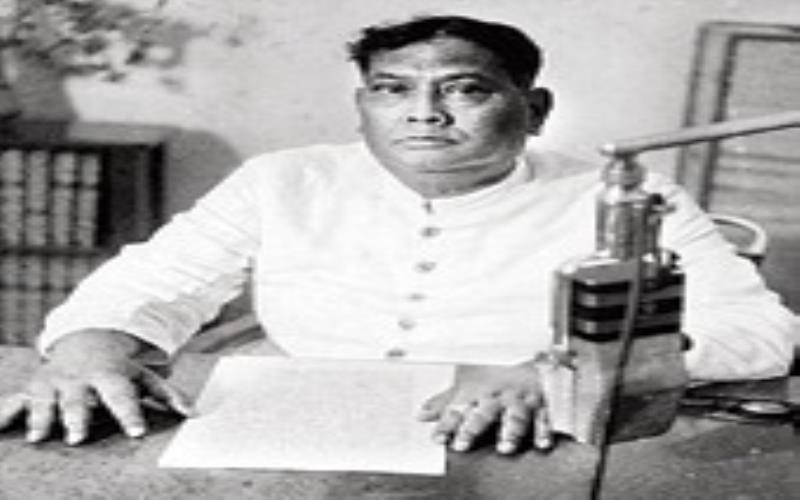
Personal Details of A. K. Fazlul Huq
| Attribute | Details |
|---|---|
| Full Name | Abul Kasem Fazlul Huq |
| Born | October 26, 1873 |
| Birthplace | Saturia, Barisal, Bengal (now Bangladesh) |
| Died | April 27, 1962 |
| Spouse | Khadija Begum |
| Education | Presidency College, Calcutta; Law degree |
| Political Affiliations | Indian National Congress, Muslim League, Krishak Praja Party |
| Major Contributions | Lahore Resolution, Agrarian Reforms, Educational Advocacy |
| Nickname | Sher-e-Bangla (Lion of Bengal) |
Early Life and Bio
Huq displayed an exceptional aptitude for learning from a young age. He earned a scholarship to attend Barisal Zilla School and later graduated from Presidency College, Calcutta, with a degree in Mathematics. He further pursued a degree in law, which became the foundation of his professional and political journey.

Political Career
Huq’s political career began in the early 20th century, during the struggle against British colonial rule. He was a versatile leader who worked with various political organizations, including the Indian National Congress, the Muslim League, and his own party, the Krishak Praja Party.
One of his most notable achievements was his role as the Chief Minister of Bengal from 1937 to 1943, during which he introduced landmark policies for rural welfare and agricultural reforms. Huq was a staunch advocate for farmers’ rights and worked tirelessly to uplift the peasantry.
In 1940, Huq presented the Lahore Resolution, which later became the foundation for the creation of Pakistan. Despite his association with the Muslim League at the time, Huq remained a champion of Hindu-Muslim unity and opposed communal violence.
Legacy
Huq’s contributions extend beyond politics. He was instrumental in establishing educational institutions, including the founding of Islamia College (now Maulana Azad College) in Calcutta. His emphasis on education and rural development resonates with his vision for an inclusive society.
A. K. Fazlul Huq passed away on April 27, 1962, but his legacy endures in the history and consciousness of Bengal and beyond.
A. K. Fazlul Huq’s life remains a testament to his commitment to justice, equality, and progress. His vision for a harmonious and inclusive society continues to inspire leaders and reformers to this day.
A. K. Fazlul Huq: The Lion of Bengal
Abul Kasem Fazlul Huq, popularly known as A. K. Fazlul Huq or Sher-e-Bangla (Lion of Bengal), was a towering figure in the political, social, and educational landscape of Bengal. His multifaceted contributions as a leader, social reformer, and advocate for the marginalized made him one of the most influential personalities in the history of South Asia.
Early Life
Fazlul Huq was born on October 26, 1873, in the village of Saturia, in Barisal District (now in Bangladesh). His father, Muhammad Wazid, was a lawyer and a scholar, which had a profound impact on Huq’s formative years.
Huq attended the prestigious Presidency College, Calcutta, where he earned a degree in Mathematics. He later pursued law and became a barrister. His academic brilliance and exposure to colonial injustice inspired his lifelong commitment to social reform and public service.
Political Career
Huq’s political career spanned decades and was marked by his unwavering dedication to the rights of the common people. He held key positions in various political organizations, including the Indian National Congress, the Muslim League, and his own Krishak Praja Party, which he founded to represent the interests of peasants and farmers.
Key Milestones
- Chief Minister of Bengal (1937–1943)
Huq became the first Prime Minister (later termed Chief Minister) of Bengal under the British provincial government system. During his tenure, he implemented significant agrarian reforms, ensuring relief for farmers burdened by debt and high taxes. - The Lahore Resolution (1940)
Huq presented the Lahore Resolution at the annual session of the All-India Muslim League, which laid the foundation for the creation of Pakistan. Despite his association with the Muslim League, Huq was a strong advocate for Hindu-Muslim unity and envisioned harmonious coexistence. - Advocate for Education and Rural Development
Huq was instrumental in establishing educational institutions, including the founding of Islamia College (now Maulana Azad College) in Calcutta. His emphasis on education was rooted in his belief that literacy and learning were essential for societal progress.
Legacy and Ideals
Huq was deeply committed to social justice, communal harmony, and the upliftment of the marginalized. His policies and advocacy reflected his vision of an inclusive and equitable society.
Despite the challenges of navigating the political complexities of colonial India, Huq remained steadfast in his principles. He often clashed with more communal elements of the political spectrum, demonstrating his dedication to unity and reform.
Fazlul Huq’s life is a testament to his tireless efforts to uplift the underprivileged and foster unity. As a leader who bridged divides and championed the cause of the common people, his legacy endures in the collective memory of Bengal and South Asia.
The life of Abul Kasem Fazlul Huq (1873–1962), fondly called Sher-e-Bangla (Lion of Bengal), stands as a testament to selfless service, visionary leadership, and unwavering commitment to justice. His contributions to the socio-political and educational upliftment of Bengal have left an indelible mark on the history of South Asia.
Born into modest beginnings in the rural village of Saturia in Barisal, Huq’s early exposure to the struggles of ordinary people shaped his lifelong mission to empower the underprivileged. He rose to prominence as a leader who could inspire trust among diverse communities, bridging divides and prioritizing the needs of the marginalized.
A. K. Fazlul Huq passed away on April 27, 1962, but his contributions to Bengal and South Asia continue to be celebrated.
