

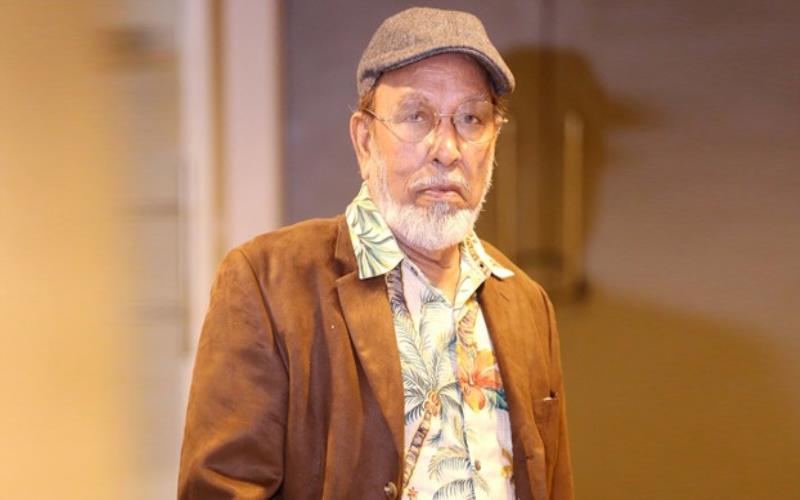
Ali Hossain was a distinguished Bangladeshi music director and composer who played a significant role in shaping the sound of Bangladeshi cinema. His melodies, infused with emotion and cultural depth, left an indelible mark on the music industry. Through his illustrious career, Ali Hossain contributed to numerous iconic songs that continue to resonate with music enthusiasts. This article explores his life, career, and contributions to Bangladeshi music.

Personal Details Table
| Attribute | Details |
|---|---|
| Full Name | Ali Hossain |
| Date of Birth | March 23, 1940 |
| Place of Birth | Comilla, Bengal Presidency, British India (now Bangladesh) |
| Date of Death | February 17, 2021 |
| Profession | Music Director, Composer |
| Nationality | Bangladeshi |
| Active Years | 1960s – 1990s |
| Notable Works | Ogo Priyo Bandhobi, Jiban Amar Bonna |
| Genres | Film Music, Playback Singing |
| Awards | National Film Awards, Cultural Honors |
| Spouse | Name Not Publicly Known |
| Children | 3 Children |
Early Life and Bio
Ali Hossain was born on March 23, 1940, in Comilla, Bengal Presidency during British colonial rule. From a young age, he displayed an innate talent for music. Growing up in a culturally rich environment, he was inspired by classical and folk traditions, which later influenced his compositions. Ali Hossain pursued formal training in music, mastering various musical forms before stepping into the world of film music.

Career in Music Direction
Ali Hossain’s career took off in the 1960s when he started composing for the thriving East Pakistani (now Bangladeshi) film industry. His talent for creating emotionally resonant and melodious tracks quickly earned him recognition and respect. He composed for both Dhallywood (Bangladeshi cinema) and West Pakistani films, contributing to the golden era of South Asian film music.
Breakthrough and Early Success
Ali Hossain’s major breakthrough came with the film “Harano Din” in the 1960s. His compositions captured the essence of the storyline, blending traditional Bangladeshi music with contemporary sounds. This film established him as a sought-after composer and opened the doors to numerous opportunities.
Notable Songs
| Song Title | Remarks |
|---|---|
| Koto Je Tomake Beshechi Bhalo | Popular romantic song |
| Chaturi Jane na Mor Bodhua | Traditional-style composition |
| Arey O Praner Raja Tumi Je Amar | Famous love ballad |
| E Akash K Shakkhi Rekhe E Batash K Shakkhi Rekhe | Poetic and soulful melody |
| O Duti Noyone Shopone Choyone Nijere Je Bhule Jay Tulona Khuje Na Pay | Emotionally expressive love song |
| Kehoi Kore Bechakena | Satirical or social commentary song |
| Ke Tumi Ele Go Amar E Jibone | Heart-touching romantic song |
Cinematic Repertoire
| Movie Name | Role/Remarks |
|---|---|
| Juari | |
| Tiger | |
| Shilpi | |
| Sneho | |
| Kaliya | |
| Mayer Ashirbad | |
| Rajar Meye Bedeni | |
| Mayer Doa | |
| Apon Ghar | |
| Byathar Daan | |
| Altabanu | |
| Chandralekha | |
| Bijoyini Sonavan | |
| Angaar | |
| Badshah | |
| Osru Diye Lekha | |
| Chowdhury Bari | |
| Ekee Onge Eto Rup | |
| Anari | As Ali Hussain |
| Daagh | As Ali Hussain |
| Chotey Sahab | |
| Kuli | As Ali Hussain |
| Daak Bangla | |
| Daak Babu | |
| Mala | Bangla version |
Notable Works and Achievements
Ali Hossain’s career is filled with numerous iconic songs that have stood the test of time. Some of his most celebrated works include:
- “Ogo Priyo Bandhobi” – A timeless romantic track known for its haunting melody and poignant lyrics.
- “Jiban Amar Bonna” – A song that reflects themes of love, life, and resilience.
- “Tumi Ashbe Bole” – A beautifully orchestrated piece that remains popular among music lovers.
- “Chokher Nojor Emni Koira” – Known for its lyrical depth and emotional appeal.
His ability to create music that connected deeply with listeners made his compositions memorable and beloved.
Contributions to Dhallywood
Ali Hossain played a pivotal role in shaping the soundscape of Bangladeshi cinema during the 1960s and 1970s. His music brought stories to life, complementing the narrative and enhancing the emotional impact of films. His work in films such as “Sangam,” “Chanda,” and “Chhutir Ghonta” solidified his reputation as one of the finest music directors of his time.
Work in Pakistani Cinema
Before Bangladesh’s independence in 1971, Ali Hossain also worked in West Pakistani films, gaining recognition for his versatility and skill in composing across different languages and cultural contexts.
Style and Musical Influence
Ali Hossain’s compositions were characterized by:
- Rich Melodies: His songs featured intricate melodies that were both soulful and accessible.
- Cultural Fusion: He seamlessly blended traditional Bangladeshi folk music with modern orchestration.
- Emotional Depth: His music often carried a profound emotional undertone, enhancing the storytelling in films.
His ability to evoke emotions through music set him apart from his contemporaries and left a lasting legacy in the Bangladeshi music industry.
Awards and Recognition
Ali Hossain’s contributions to music earned him several accolades, including:
- National Film Awards for his exceptional music direction.
- Various cultural honors recognizing his lifetime achievements in Bangladeshi cinema.
- Praise from both critics and audiences for his innovative approach to music composition.
These awards reflect his significant impact on the music industry and his role in shaping the sound of Bangladeshi cinema.
Personal Life
Ali Hossain led a private life, focusing on his family and music. He was married and had three children. Despite his fame, he remained humble and dedicated to his craft. His passion for music continued even in his later years, as he mentored younger musicians and contributed to the preservation of Bangladeshi musical heritage.
Ali Hossain Discography
1960s
| Year | Movie | Records |
|---|---|---|
| 1965 | Mala | |
| 1966 | Daak Babu | |
| Daak Bangla | Bengali/Urdu bilingual film | |
| 1967 | Chhotey Sahib | |
| Qulli | Urdu film | |
| 1968 | Rup Kumari | |
| 1969 | Anari | Bengali/Urdu bilingual film |
| Daag | Urdu | |
| Notun Naame Dako |
1970s
| Year | Movie | Records |
|---|---|---|
| 1970 | Adhikar | |
| Ekoi Onge Koto Rup | ||
| Payel | Bengali/Urdu bilingual film | |
| 1972 | Chowdhury Bari | |
| Osru Diye Lekha | ||
| 1975 | Aponjon | |
| Badshah | ||
| Jibon Niye Jua | ||
| 1977 | Daata Hatem Tai | |
| 1978 | Anari | |
| Angaar | ||
| Sohag | ||
| 1979 | Bijoyini Sonavan | |
| Ghar Sansar | ||
| Iman |
1980s
| Year | Movie | Records |
|---|---|---|
| 1980 | Amir Fokir | |
| Bourani | ||
| Chondrolekha | ||
| 1981 | Raja Saheb | |
| 1982 | Alta Banu | |
| Nalish | ||
| 1989 | Byathar Daan | Winner: National Film Award for Best Music Director |
| Sonar Nao Poboner Boitha |
1990s
| Year | Movie | Records |
|---|---|---|
| 1990 | Amar Songi | |
| Apon Ghor | ||
| 1991 | Rajar Meye Bedeni | |
| 1992 | Mastan Raja | |
| 1993 | Mayer Ashirbad | |
| 1994 | Abolombon | |
| Kaliya | ||
| Sneho | ||
| 1995 | Shilpi | Composed one song: “Ke Jaane Kotodure” |
| 1997 | Tiger | |
| 1998 | Tejjo Putro | |
| 1999 | Ziddi |
A Lifetime of Musical Excellence
Ali Hossain’s contributions to Bangladeshi cinema and music spanned several decades. As a composer, he was known for his remarkable ability to blend classical, folk, and contemporary elements into his compositions. His music brought out the deep emotions and cultural essence of the times, making his works timeless. Throughout his career, Ali Hossain’s compositions served not only as entertainment but also as a mirror to the changing socio-political landscape of Bangladesh.
The Final Years
In the years leading up to his death, Ali Hossain had significantly reduced his public appearances. However, his influence continued to be felt in the music industry, with new generations of artists and composers frequently citing him as an inspiration. Despite his absence from the limelight, his legacy lived on in the countless iconic songs that are still played across Bangladesh today. Many of his compositions remain a staple in the Bangladeshi music scene, constantly reintroduced to younger listeners through various mediums, including film, television, and online streaming platforms.
Impact on Bangladeshi Cinema and Music
Ali Hossain was not just a composer; he was an architect of the sound that defined Bangladeshi film music in the 20th century. His iconic tracks, such as Ogo Priyo Bandhobi and Jiban Amar Bonna, captured the essence of romance, longing, and patriotism in ways that resonated deeply with the Bangladeshi audience. His collaborations with renowned singers, lyricists, and filmmakers helped shape the musical identity of an entire generation. His work in the 1960s through the 1990s solidified his place as one of the greatest composers in the history of Bangladeshi cinema.
Enduring Influence
Ali Hossain’s work continues to inspire new generations of composers, singers, and music directors. His ability to tell stories through music and his dedication to his art have cemented his place as a legend in Bangladeshi music history.
Conclusion
Ali Hossain’s remarkable journey as a composer and music director has left an indelible mark on Bangladeshi culture. His innovative compositions, rich with emotion and cultural significance, continue to be celebrated and cherished. Through his timeless music, he remains an icon who contributed significantly to the evolution of Bangladeshi film and music.
