


Debesh Chattopadhyay is a celebrated name in Bengali theater and cinema, known for his exceptional talent as a director, playwright, and actor. His deep understanding of storytelling, coupled with a passion for the arts, has made him a pivotal figure in the cultural landscape of Bengal. With a career spanning decades, Debesh Chattopadhyay continues to influence and inspire with his creative brilliance, pushing boundaries and setting new benchmarks in theatrical and cinematic expression.
This article explores the life, career, and legacy of Debesh Chattopadhyay, shedding light on his contributions to Bengali culture and his journey as a visionary artist.
Early Life and Inspiration
Debesh Chattopadhyay was born in Kolkata, West Bengal, into a culturally enriched environment. Growing up in a city that prides itself on its intellectual and artistic heritage, he was naturally drawn to the world of storytelling and performance. His formative years were marked by a love for literature, drama, and cinema, all of which laid the groundwork for his future pursuits.
Read More Bio About: Anirban Chakrabarty.
Chattopadhyay’s early exposure to the works of literary greats like Rabindranath Tagore, Anton Chekhov, and Henrik Ibsen played a crucial role in shaping his creative vision. These influences are evident in his body of work, which often delves into themes of human relationships, societal structures, and existential dilemmas.
The Journey into Theater
Debesh Chattopadhyay’s journey into the world of theater began with a passion for storytelling and a desire to explore the depths of human emotion. As a playwright and director, he quickly gained recognition for his ability to create compelling narratives that resonate with audiences on a profound level.
Debesh Chattopadhyay’s Signature Works
Over the years, Debesh Chattopadhyay has penned and directed numerous plays that have left an indelible mark on Bengali theater. Some of his most notable works include:
- “Nihsanga Samrat”: A play inspired by the life of Rabindranath Tagore, this production delved into the personal and creative struggles of the Nobel laureate. Chattopadhyay’s direction brought a nuanced portrayal of Tagore’s genius, making it a landmark production in Bengali theater.
- “Brain”: This thought-provoking play explores themes of mental health, societal norms, and human resilience. Chattopadhyay’s ability to blend complex ideas with gripping storytelling made this production a standout.
- “Dramadol”: A satirical commentary on the socio-political landscape, this play showcased Chattopadhyay’s sharp wit and insightful critique of contemporary issues.
Through his works, Debesh Chattopadhyay has consistently addressed themes that challenge societal conventions, provoke thought, and inspire change.
Transition to Bengali Cinema
While theater remains his first love, Debesh Chattopadhyay has also made significant contributions to Bengali cinema. His transition to films was a natural progression, as it allowed him to explore new mediums of storytelling and reach a wider audience.
Debesh Chattopadhyay as a Director
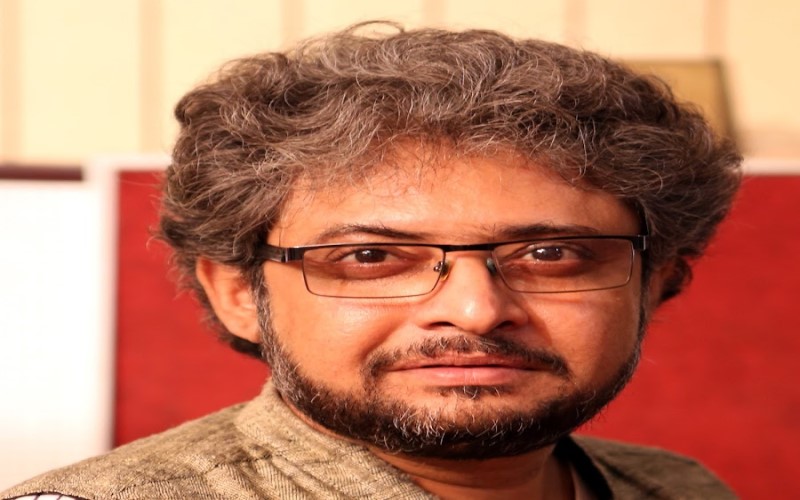
As a filmmaker, Debesh Chattopadhyay has brought the same passion and creativity to the screen that defines his theater work. His debut film, Natoker Moto: Like a Play (2015), received critical acclaim for its exploration of the lives and struggles of theater artists. The film was celebrated for its authentic portrayal of the theater world, nuanced performances, and poignant storytelling.
Acting Contributions
In addition to his work behind the camera, Debesh Chattopadhyay is also a talented actor. His on-screen performances reflect his deep understanding of character development and his ability to bring authenticity to every role. Whether in theater or cinema, Chattopadhyay’s acting is marked by emotional depth and a strong presence that captivates audiences.
The Artistry of Debesh Chattopadhyay
What sets Debesh Chattopadhyay apart as an artist is his commitment to exploring the complexities of the human condition. His works often delve into themes of identity, morality, and societal pressures, challenging audiences to question their perspectives and beliefs.
Storytelling with Purpose
One of Chattopadhyay’s greatest strengths is his ability to tell stories with a purpose. Whether through plays or films, his narratives are never merely entertainment; they serve as vehicles for introspection and social commentary. His work is a testament to the transformative power of storytelling.
A Multidisciplinary Approach
Debesh Chattopadhyay’s multidisciplinary approach to the arts has allowed him to excel in various roles—playwright, director, actor, and filmmaker. This versatility has enriched his work, as he draws from a wide range of experiences and influences to create productions that are both innovative and deeply rooted in tradition.
Awards and Recognition
Debesh Chattopadhyay’s contributions to Bengali theater and cinema have earned him numerous accolades. His works have been celebrated at national and international platforms, reflecting his status as a leading figure in the arts.
Some of the notable honors received by Debesh Chattopadhyay include:
- National Film Awards: For his film Natoker Moto: Like a Play, which was recognized for its unique storytelling and cultural significance.
- Bengal Theater Awards: For his outstanding contributions as a playwright and director in the Bengali theater scene.
These awards are a testament to Chattopadhyay’s talent, dedication, and impact on the cultural landscape.
Challenges and Resilience
Like many artists, Debesh Chattopadhyay has faced challenges in his career, from navigating the evolving landscape of theater and cinema to addressing the demands of creating thought-provoking content. However, his resilience and unwavering commitment to his craft have allowed him to overcome these obstacles and continue producing exceptional work.
Chattopadhyay’s ability to adapt to new trends while staying true to his artistic vision is a key factor in his enduring success.
Debesh Chattopadhyay’s Influence on Bengali Arts
Debesh Chattopadhyay’s influence on Bengali arts extends beyond his individual works. As a mentor, collaborator, and cultural ambassador, he has played a vital role in nurturing talent and promoting Bengali theater and cinema on a global stage.
Inspiring the Next Generation
Through his plays, films, and workshops, Chattopadhyay has inspired countless aspiring artists to pursue their passions and push the boundaries of creative expression. His dedication to fostering new talent ensures that the legacy of Bengali arts continues to thrive.
Elevating Bengali Culture
Debesh Chattopadhyay’s work celebrates the richness of Bengali culture while addressing universal themes. This balance of local and global perspectives has helped elevate Bengali theater and cinema, making them accessible and relevant to diverse audiences.
Upcoming Projects and Future Aspirations

As an artist who constantly seeks to innovate, Debesh Chattopadhyay shows no signs of slowing down. With several projects in development, including new plays and films, he continues to explore uncharted territories in storytelling.
Chattopadhyay’s future aspirations include expanding the reach of Bengali theater and cinema through digital platforms and international collaborations. By embracing new mediums and technologies, he aims to bring his work to a broader audience while staying true to his artistic roots.
Conclusion
Debesh Chattopadhyay is a true luminary in the world of Bengali theater and cinema. His ability to blend tradition with innovation, coupled with his dedication to exploring the depths of human experience, makes him a visionary artist whose work resonates across generations.
As we celebrate the life and achievements of Debesh Chattopadhyay, we are reminded of the power of art to inspire, provoke, and transform. His contributions have not only enriched Bengali culture but also left an indelible mark on the global arts community.
