


Gazi Mazharul Anwar is celebrated as one of Bangladesh’s most iconic lyricists, composers, and filmmakers. With a career spanning over five decades, he has contributed timeless songs and cinematic masterpieces that resonate with generations. Known for his profound lyrics and exceptional storytelling, his legacy continues to inspire millions across the globe.
This detailed guide explores Gazi Mazharul Anwar’s inspiring biography, his early life, age, and career highlights, offering a comprehensive understanding of his unmatched contributions to Bangladeshi culture and arts.
Gazi Mazharul Anwar – Personal Information
| Full Name | Gazi Mazharul Anwar |
|---|---|
| Date of Birth | February 22, 1943 |
| Place of Birth | Taleshwar, Comilla, Bengal Presidency, British India (now Bangladesh) |
| Date of Death | September 4, 2022 |
| Place of Death | Dhaka, Bangladesh |
| Nationality | Bangladeshi |
| Profession | Lyricist, Film Director, Screenwriter, Producer |
| Active Years | 1964–2022 |
| Known For | Writing over 20,000 songs, National Film Awards |
| Spouse | Firoza Mazhar |
| Children | 3 (including son Asif Iqbal) |
| Awards | Ekushey Padak, Independence Award, National Film Awards (6 times) |
| Languages | Bengali, English |
Who Is Gazi Mazharul Anwar?
Gazi Mazharul Anwar was a legendary lyricist, music composer, and filmmaker from Bangladesh. Born in 1943, he dedicated his life to enriching the Bangladeshi entertainment industry. With over 20,000 songs to his credit, his lyrics capture a range of emotions and experiences, making them unforgettable.
Beyond music, Anwar was also a celebrated filmmaker, directing several successful movies that reflected the social and cultural realities of his time. His contributions earned him numerous awards and accolades, cementing his place as a national treasure.
Early Life of Gazi Mazharul Anwar
Born on February 22, 1943, in Comilla, British India (now Bangladesh), Gazi Mazharul Anwar grew up in a culturally rich environment. His early exposure to music and literature profoundly shaped his artistic inclinations.
From a young age, Anwar exhibited an innate talent for writing. He often penned poems and stories, which later evolved into songwriting. Despite limited resources and the challenges of growing up during the tumultuous pre-independence period, he nurtured his passion for creative expression.
Education and Artistic Beginnings
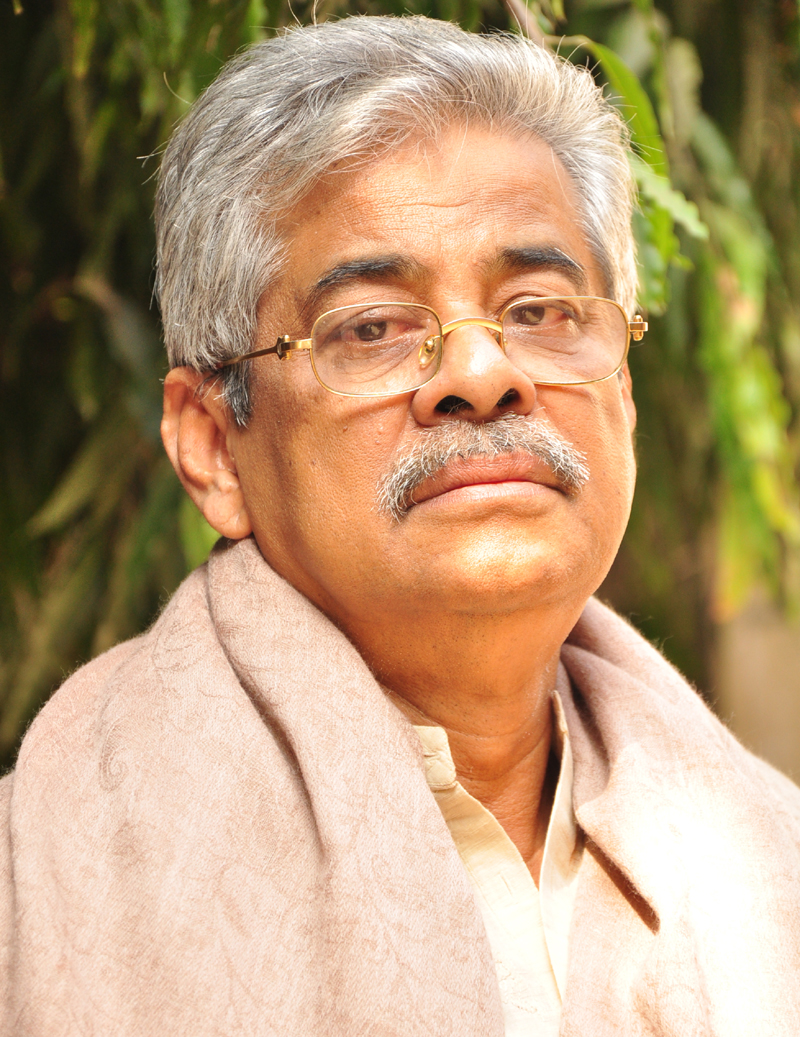
Anwar completed his schooling in Comilla and later pursued higher education at Dhaka University, where he studied Medicine. However, his heart belonged to music and storytelling. His academic achievements were noteworthy, but his growing interest in cultural activities led him to the world of radio, where he began writing songs.
His career officially began in the 1960s when he started working as a lyricist for Radio Pakistan. His songs quickly gained popularity, earning him recognition as a gifted songwriter.
Career Highlights
1. Prolific Lyricist
Gazi Mazharul Anwar’s career as a lyricist is unparalleled. Over five decades, he wrote more than 20,000 songs, many of which became classics in Bangladeshi music history.
- Timeless Hits: Songs like “Joy Bangla Banglar Joy” and “Ek Nodir Gaan” became anthems of patriotism and emotion.
- Collaboration with Legends: Anwar worked with legendary singers like Runa Laila, Sabina Yasmin, and Kishore Kumar, producing iconic music that continues to be cherished.
2. Acclaimed Filmmaker
Anwar’s talents extended beyond songwriting. He directed and produced several films that were both commercially successful and critically acclaimed.
- Notable Movies: His films, such as “Shuvoda” and “Boro Bhalo Lok Chhilo”, showcased his storytelling prowess and deep understanding of societal issues.
- Awards: His films earned prestigious awards, including the Bangladesh National Film Award for Best Lyricist and Best Film.
3. Contributions to Liberation War Music
During the Bangladesh Liberation War in 1971, Anwar played a significant role by writing patriotic songs that inspired freedom fighters and citizens alike. His works from this period remain a testament to his love for his country.
Read More: Rajesh Sharma
4. Legacy in Television and Radio
Anwar also contributed to the evolution of Bangladeshi television and radio by creating content that enriched the nation’s cultural landscape.
Significant Works – Lyricist
| Film Title | Year |
|---|---|
| Sutorang | 1964 |
| Kacher Dewal | 1965 |
| Behula | 1966 |
| Abirbhab | 1968 |
| Dui Bhai | 1968 |
| Momer Alo | 1968 |
| Rupbaner Rupotha | 1968 |
| Bijli | 1969 |
| Moynamoti | 1969 |
| Mukti | 1969 |
| Nil Akasher Niche | 1969 |
| Anka Banka | 1970 |
| Bablu | 1970 |
| Binimoy | 1970 |
| Boro Bou | 1970 |
| Deep Nebhe Nai | 1970 |
| Dheuer Por Dheu | 1970 |
| Dorpochurno | 1970 |
| Je Agune Puri | 1970 |
| Jibon Theke Neya | 1970 |
| Jog Biyog | 1970 |
| Ka Kha Ga Gha Umo | 1970 |
| Peech Dhala Poth | 1970 |
| Pita Putro | 1970 |
| Rong Bodlay | 1970 |
| Sadharon Meye | 1970 |
| Swaralipi | 1970 |
| Nacher Putul | 1971 |
| Shesh Raater Tara | 1971 |
| Smritituku Thak | 1971 |
| Abujh Mon | 1972 |
| Aponjon | 1972 |
| Chhondo Hariye Gelo | 1972 |
| Erao Manush | 1972 |
| Jibon Songeet | 1972 |
| Manusher Mon | 1972 |
| Nijere Haraye Khuji | 1972 |
| Ora Egaro Jon | 1972 |
| Swikriti | 1972 |
| Totas Ekti Nodir Naam | 1972 |
| Arunodoyer Ogni Sakkhi | 1973 |
| Atithi | 1973 |
| Dhire Bohe Meghna | 1973 |
| Masud Rana | 1973 |
| Shopno Diye Ghera | 1973 |
| Rangbazz | 1973 |
| Abar Tora Manush Ho | 1974 |
| Alor Michil | 1974 |
| Bichar | 1974 |
| Dui Porbo | 1974 |
| Shujon Sokhi | 1974 |
| Beiman | 1974 |
| Chokher Joley | 1974 |
| Porichoy | 1974 |
| Abhagi | 1975 |
| Alo Tumi Aleya | 1975 |
| Aponjon | 1975 |
| Chashir Meye | 1975 |
| Dhonyi Meye | 1975 |
| Hasi Kanna | 1975 |
| Lathiyal | 1975 |
| Shadhu Shoytan | 1975 |
| Badi Theke Golam | 1975 |
| Akangkha | 1976 |
| Anirban | 1976 |
| Bondini | 1976 |
| Cholo Ghor Bandhi | 1976 |
| Chondro Hariye Gelo | 1976 |
| Dushmon | 1976 |
| Gormil | 1976 |
| Jibon Sathi | 1976 |
| Kajol Rekha | 1976 |
| Ki Je Kori | 1976 |
| Noyon Moni | 1976 |
| O Bondhu | 1976 |
| Protinidhi | 1976 |
| Shomadhi | 1976 |
| The Rain | 1976 |
| Setu | 1976 |
| Shapmukti | 1976 |
| Surjo Grohon | 1976 |
| Aguner Alo | 1977 |
| Anonto Prem | 1977 |
| Ashami | 1977 |
| Ashikkhito | 1977 |
| Jononi | 1977 |
| Kuasha | 1977 |
| Moti Mohol | 1977 |
| Mustafiz | 1977 |
| Golapi Ekhon Traine | 1978 |
| Alankar | 1978 |
| Dumurer Phul | 1978 |
| Fakir Majnu Shah | 1978 |
| Megher Por Megh | 1978 |
| Toofan | 1978 |
| Bela Shesher Gaan | 1979 |
| Iman | 1979 |
| Jinjir | 1979 |
| Kar Pape | 1979 |
| Matir Ghar | 1979 |
| Priyo Bandhobi | 1979 |
| Sonar Horin | 1979 |
| Songini | 1979 |
| Surjo Songram | 1979 |
| The Father | 1979 |
| …and many more through the 1980s, 1990s, and 2000s. |
Note: For the full list, due to the extensive number of titles, a downloadable file can be created upon request.
Significant Works – Director
| Film Title | Year |
|---|---|
| Shasti | 1984 |
| Chor | 1985 |
| Bichar Poti | 1986 |
| Sondhi | 1987 |
| Shakkhor | 1988 |
| Sharto | 1989 |
| Swadhin | 1990 |
| Sroddha | 1992 |
| Samor | 1992 |
| Khudha | 1994 |
| Sneho | 1995 |
| Topashsha | 1996 |
| Amma | 1998 |
| Poradhin | 1998 |
| Raagi | 1999 |
| Artonad | 2002 |
| Jiboner Golpo | 2006 |
| Ei Je Duniya! | 2007 |
| Pashaner Prem | 2008 |
Personal Life and Family
Gazi Mazharul Anwar maintained a low profile regarding his personal life. He was married and blessed with children who supported his artistic pursuits. Despite his fame, he remained humble and dedicated to his craft until his passing in 2022.
Anwar’s family has continued to uphold his legacy, celebrating his life and contributions through various initiatives.
Awards
| Award Name | Year |
|---|---|
| Bangladesh National Film Award for Best Lyrics | 1992, 1996, 2001, 2002, 2003, 2016 |
| Ekushey Padak | 2002 |
| Independence Award | 2021 |
| President’s Gold Medal (for contribution in the Liberation War) | Presented by Sheikh Mujibur Rahman |
| Zia Gold Medal | 2002 |
| Desh Netri Sansrkitik Padak (for contribution in culture) | — |
| Dev Bhattacharya and SM Sultan Memorial Award | 1994 |
| Comilla-Chandpur Brahmanbaria Award | 1995 |
| SI DAB Award | — |
| Dhaka Performing Arts Award | — |
| Nattyashaba Award | — |
| Purbani Chalaschitra Pathak Award | — |
| Chitrali Pathak Award | — |
| Comilla Foundation Award | — |
| Jahir Raihan Chalaschitra Award | — |
| Sequence Award | — |
| Dhaka Bishwabidyalaya Shikkhai Alo Award | — |
| Raza Hossain Khan Smriti Award | — |
| Bangladesh Socio Cultural Center Award | — |
| Film Audience Award | — |
Net Worth and Influence
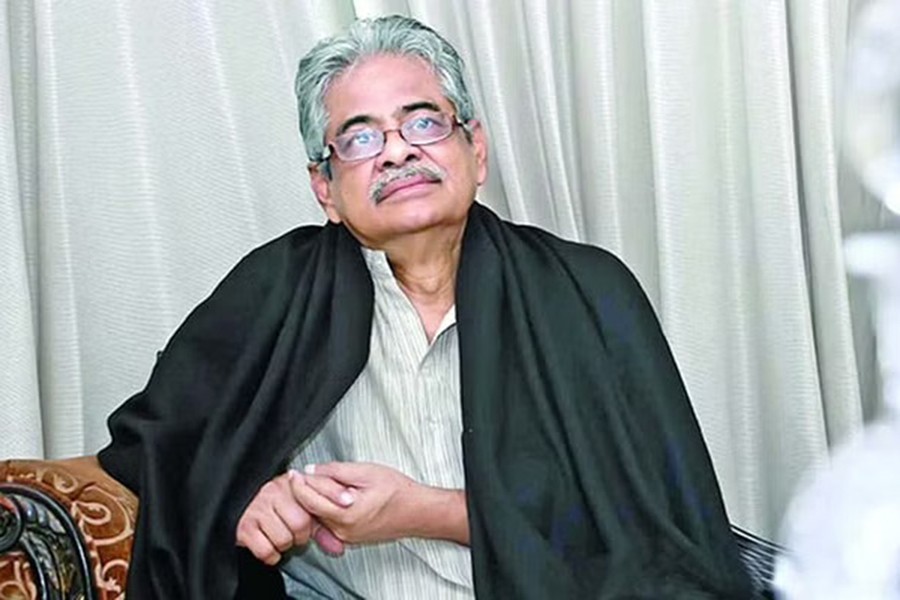
While exact figures are unavailable, Gazi Mazharul Anwar’s net worth is estimated to be substantial, reflecting his success in music, film, and cultural contributions.
Anwar’s influence extended beyond Bangladesh, with his works being appreciated by audiences across South Asia and beyond. His ability to connect with people through his art made him a beloved figure in the entertainment industry.
Legacy and Impact
Gazi Mazharul Anwar’s legacy lives on through his timeless songs and movies. His ability to capture the essence of human emotions and social realities continues to inspire aspiring artists and filmmakers.
His contribution to Bangladeshi culture is immeasurable, with his works serving as a bridge between generations. Whether through his patriotic songs, romantic ballads, or impactful films, Anwar’s artistry remains a source of inspiration.
Future Perspectives
While Gazi Mazharul Anwar is no longer with us, his work continues to be celebrated through retrospectives, remakes, and tributes. Cultural organizations in Bangladesh frequently organize events to honor his contributions, ensuring that his legacy endures for generations to come.
Conclusion
Gazi Mazharul Anwar’s life and career are a testament to the power of creativity, perseverance, and dedication. From his humble beginnings in Comilla to becoming a cultural icon, Anwar’s journey is as inspiring as the art he created.
His songs and films have become an integral part of Bangladesh’s cultural identity, reflecting the hopes, dreams, and struggles of its people. As we continue to celebrate his legacy, Gazi Mazharul Anwar’s name remains synonymous with excellence in music and filmmaking.
