

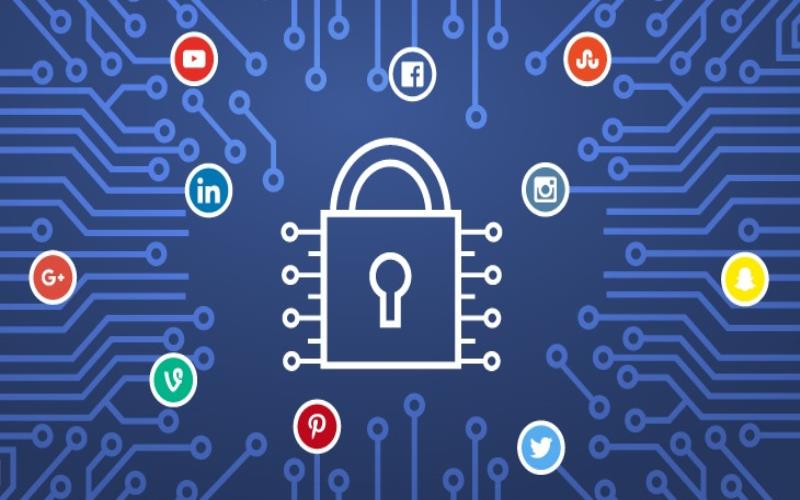
Platforms like Facebook, Instagram, Twitter, and LinkedIn have become integral parts of everyday life, both for personal use and business purposes. However, with this increased reliance on social media comes a significant rise in cybersecurity risks. As users share personal details, businesses conduct transactions, and hackers continuously evolve their tactics, the need for robust cybersecurity has never been more critical.
The Rise of Social Media and Its Impact on Cybersecurity
Social media has grown exponentially over the past decade, with billions of users around the world. This surge in social media engagement has led to an increased volume of personal data being shared online. From photos and statuses to location check-ins and personal preferences, users often unknowingly share sensitive information that cybercriminals can exploit. The more information shared online, the higher the chances of falling victim to data breaches, identity theft, or phishing attacks.
For businesses, social media has opened new channels for marketing, customer engagement, and e-commerce. While these tools offer unparalleled opportunities, they also present new vulnerabilities. A single breach of an organization’s social media account can lead to brand damage, data leaks, and financial loss. As businesses utilize social media for customer service, sales, and brand awareness, cybercriminals target these platforms to exploit weaknesses and gain access to company data.
Phishing and Social Engineering
One of the primary ways cybercriminals exploit social media is through phishing attacks and social engineering. These tactics involve tricking individuals into revealing sensitive information, such as passwords, bank details, or social security numbers. Cybercriminals often impersonate trusted sources, such as friends, family members, or even companies, to convince users to click on malicious links or provide personal data.
On social media platforms, these scams can take many forms, from fake prize draws and giveaways to phishing messages pretending to be from legitimate companies. In some cases, hackers create fake profiles that closely resemble those of a user’s friends or colleagues, making it difficult to spot the malicious intent. Once the victim falls for the scam, the hacker can gain access to personal accounts or steal valuable information.
Data Privacy Concerns
As social media platforms collect vast amounts of personal information, the risk of data breaches becomes a serious concern. Data from social media can be sold, misused, or exposed, leading to privacy violations. For example, many platforms ask users to share personal details such as birth dates, contact information, employment history, and even political preferences. While this data may seem harmless, it can be used to target individuals with personalized ads or manipulated in ways that violate privacy.
Data breaches are also a growing concern. Social media platforms are prime targets for hackers due to the vast amount of user data they store. When security protocols fail or are breached, sensitive user information can be exposed, leading to identity theft, fraud, or even physical threats. The 2018 Facebook data breach, which affected millions of users, serves as a prime example of the dangers of inadequate cybersecurity measures on social media.
The Role of Cybersecurity in Protecting Social Media Accounts
To mitigate the risks associated with social media, cybersecurity measures are crucial. Individuals and businesses alike need to take proactive steps to secure their social media accounts. Here are some essential cybersecurity practices to implement:
- Strong Passwords: Using complex passwords that combine letters, numbers, and special characters is essential. For added security, consider using password managers to generate and store strong, unique passwords for each platform.
- Two-Factor Authentication (2FA): Enabling 2FA adds an extra layer of protection by requiring users to provide a second form of verification, such as a code sent to their phone, in addition to their password.
- Regular Monitoring: Regularly checking social media accounts for unusual activity or unauthorized access can help identify potential breaches early.
- Privacy Settings: Adjusting privacy settings to limit who can view posts, send messages, or follow accounts reduces the risk of exposure to cybercriminals.
- Educating Users: Teaching users to recognize phishing scams and other malicious tactics can prevent many social media security incidents.
The Need for Advanced Cybersecurity Solutions
As social media continues to grow, businesses need to invest in more advanced cybersecurity solutions. Social media platforms must also prioritize strengthening their security measures to safeguard user data and prevent cyberattacks. Companies should adopt enterprise-grade security tools, such as firewalls, intrusion detection systems, and encryption protocols, to protect sensitive information and customer interactions on social media. For those looking to further enhance their cybersecurity posture, Microminder‘s comprehensive cybersecurity services can help businesses manage and protect their data across various platforms, ensuring a robust defense against evolving threats.
In conclusion, while social media has revolutionized how we communicate and connect, it has also created a greater need for cybersecurity. The risks associated with data breaches, phishing attacks, and identity theft are constantly evolving, and individuals and businesses must be proactive in securing their online presence. By implementing strong cybersecurity practices, users can help protect themselves from the increasing threats in the digital world.
