


Matin Rahman is a legendary Bangladeshi film director, teacher, and one of the most influential figures in the country’s film industry. With a career spanning more than five decades, his contributions to Bangladeshi cinema are both profound and multifaceted. From his early days as an aspiring filmmaker to his current position as a respected industry veteran, Rahman’s journey is a testament to his dedication to both the art of filmmaking and the development of the film industry in Bangladesh.
In this article, we will delve into the life and career of Matin Rahman, examining his age, achievements, personal life, and the incredible legacy he has created through his work.
Personal Details Table: Matin Rahman
| Personal Information | Details |
|---|---|
| Full Name | Matin Rahman |
| Date of Birth | 30 May 1952 |
| Age | 72 years (as of 2024) |
| Place of Birth | Naogaon District, Bangladesh |
| Nationality | Bangladeshi |
| Occupation(s) | Film Director, Teacher |
| Years Active | 1973–Present |
| Notable Work | Lal Kajol |
| Spouse | Nasima Khanom |
| Children | 3 |
| Awards | National Film Awards |
Early Life and Education: The Foundation of a Filmmaker

Born in the rural Naogaon District of Bangladesh on May 30, 1952, Matin Rahman was raised in a time when the Bangladeshi film industry was in its nascent stages. Growing up in a family that valued education and culture, Rahman’s early exposure to the world of literature, theater, and music sparked his interest in the arts.
From a young age, Rahman was drawn to storytelling, and he began to dream of pursuing a career in filmmaking. However, during his youth, the film industry in Bangladesh was not as established as it is today, and opportunities for aspiring filmmakers were few and far between. Undeterred by these challenges, Rahman decided to pursue higher education and enrolled in the prestigious University of Dhaka, where he studied film and media studies.
His academic journey was instrumental in shaping his career, as it not only provided him with technical knowledge but also deepened his appreciation for the power of cinema as a form of social expression. Rahman’s passion for filmmaking was further fueled by his studies in the fields of literature, art, and social sciences, which laid the foundation for his future cinematic works that would often tackle important social and political issues in Bangladesh.
Career Beginnings: From Aspiring Filmmaker to Director
Matin Rahman’s entry into the Bangladeshi film industry came in the early 1970s, during a time of significant political and social upheaval in the country. Following his academic training, Rahman worked with several renowned filmmakers, gaining valuable on-set experience and learning the intricacies of film production.
In 1973, Rahman made his directorial debut with the film Lal Kajol (Red Sari), a drama that would become one of his most significant works. Lal Kajol was notable not only for its compelling storytelling and high-quality production but also for its social commentary on the struggles of women in Bangladeshi society. The film was well-received by both audiences and critics and cemented Rahman’s reputation as a filmmaker with a keen understanding of social issues.
Matin Rahman’s Notable Works: Masterpieces of Bangladeshi Cinema
Over the course of his career, Matin Rahman has directed numerous films that have had a lasting impact on Bangladeshi cinema. Known for his ability to combine engaging narratives with thoughtful commentary, Rahman’s films often explore themes such as social justice, gender equality, and the complexities of human relationships.
Lal Kajol (1973)
As mentioned, Rahman’s debut film, Lal Kajol, is often regarded as a cornerstone of his career. The film’s narrative revolves around a woman’s struggle for identity and independence in a patriarchal society. The character, portrayed with emotional depth, challenges the norms of her society and tries to break free from the constraints of tradition and family. Rahman’s exploration of gender roles and societal expectations in Lal Kajol was ahead of its time and helped set the stage for future works that would tackle similar themes.
Ek Din Aaj (1977)
Another significant film in Matin Rahman’s career is Ek Din Aaj (One Day Today), a film that dealt with the political unrest in Bangladesh during the 1970s. The film used a dramatic narrative to showcase the internal conflicts faced by individuals in the face of a turbulent political climate. Rahman’s ability to intertwine personal stories with political undertones made Ek Din Aaj an important film in Bangladesh’s cinematic history.
Chhaya (1985)
Chhaya (Shadow), released in 1985, is another of Rahman’s masterpieces. The film explores the relationship between the individual and society, questioning the ideals of truth and justice in the face of corruption. The lead character, a young man disillusioned by society’s values, undergoes a transformation as he grapples with his own moral compass. Rahman’s skillful direction and deep philosophical undertones in Chhaya earned him critical acclaim and helped solidify his position as one of the leading directors in Bangladesh.
Rohingya (1992)
A notable example of Rahman’s social activism through cinema, Rohingya (1992) brought attention to the plight of the Rohingya people, a marginalized ethnic group in Southeast Asia. The film focused on the refugee crisis and the harsh conditions faced by the displaced communities. Rahman’s portrayal of these real-life struggles earned him praise for using his platform to raise awareness about global humanitarian issues.
Cinematic Repertoire
| Year | Movie | Direction | Screenwriter | Dialogue Writer | Actor | Speech | Records |
|---|---|---|---|---|---|---|---|
| 1972 | Atithi | Yes | Bengali | ||||
| 1979 | Matir Ghor | Yes | Yes | Bengali | Worked as an assistant director | ||
| 1982 | Lal Kajol | Yes | Bengali | [4] | |||
| Chitkar | Yes | Bengali | |||||
| Swargo Narok | Yes | Bengali | |||||
| Sneher Badhon | Yes | Yes | Bengali | ||||
| 1988 | Jibon Dhara | Yes | Bengali | ||||
| 1989 | Ranga Vabi | Yes | Yes | Bengali | |||
| Birangona Sakhina | Yes | Bengali | |||||
| 1992 | Ondho Biswas | Yes | Yes | Bengali | Won: National Film Awards Best Director | ||
| Radha Krishna | Yes | Bengali | |||||
| 1996 | Tomake Chai | Yes | Yes | Bengali | |||
| 1997 | Mon Mane Na | Yes | Bengali | ||||
| 1999 | Biyer Ful | Yes | Yes | Bengali | |||
| 2000 | Narir Mon | Yes | Yes | Bengali | |||
| Ei Mon Chay Je…! | Yes | Bengali | |||||
| 2003 | Matir Ful | Yes | Bengali | ||||
| Bou Shashurir Juddho | Yes | Bengali | |||||
| Mohobbat Jindabad | Yes | Bengali | |||||
| 2004 | Wrong Number | Yes | Bengali | ||||
| 2005 | Rakkhusi | Yes | Yes | Bengali | |||
| 2008 | Tomakei Khujchi | Yes | Bengali |
Awards and Recognition: Celebrating Matin Rahman’s Success
Matin Rahman’s contribution to Bangladeshi cinema has not gone unnoticed. Throughout his career, Rahman has been recognized with several prestigious awards, including the National Film Awards for Best Director. His ability to seamlessly blend commercial success with socially conscious storytelling has earned him the admiration of both his peers in the industry and the wider public.
In addition to his success as a director, Rahman has been a dedicated educator, teaching film and media studies at various institutions. He has played a vital role in nurturing the next generation of filmmakers and ensuring that the future of Bangladeshi cinema is in capable hands.
| Year | Awards | Category | Film | Results |
|---|---|---|---|---|
| 1993 | National Film Awards | Best Director | Andho Biswas | Won [9] |
📚 Read More Bio About Ashish Vidyarthi
Matin Rahman’s Personal Life: A Family Man and Philanthropist
Beyond his professional accomplishments, Matin Rahman leads a fulfilling personal life. He is married to Nasima Khanom, with whom he shares a deep bond. Together, they have raised three children, all of whom have pursued careers in various fields. Rahman’s family has always been supportive of his endeavors, and they play an essential role in keeping him grounded amidst the pressures of his career.
In addition to his work in the film industry, Matin Rahman is also known for his philanthropic efforts. Throughout his life, he has been dedicated to improving the quality of life for the underprivileged in Bangladesh, particularly in rural areas. Rahman’s commitment to social justice is evident not only in his films but also in his charitable actions.
Matin Rahman’s Net Worth: Financial Success and Business Ventures
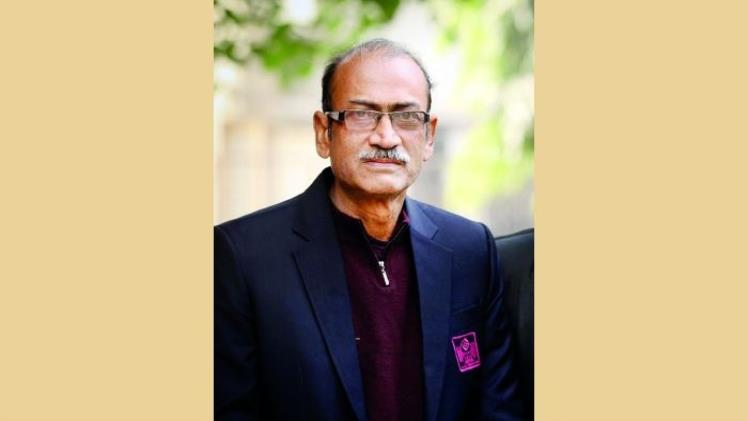
As one of Bangladesh’s most respected and successful filmmakers, Matin Rahman has accumulated considerable wealth over the years. While the exact figure of his net worth remains undisclosed, it is estimated to be in the millions of dollars. His wealth comes from a variety of sources, including his film career, teaching endeavors, and various entrepreneurial ventures.
Despite his financial success, Rahman is known for his modest lifestyle. He has consistently reinvested his earnings into his filmmaking projects and charitable causes, demonstrating a strong sense of social responsibility. Rahman’s ability to maintain a balance between commercial success and artistic integrity has contributed to his longevity in the industry.
Legacy and Influence: Matin Rahman’s Lasting Impact
Matin Rahman’s influence extends far beyond his films. He has been a mentor to countless filmmakers, actors, and industry professionals who have looked up to his dedication, work ethic, and vision. Rahman’s legacy as a filmmaker and educator is secure, and his impact on Bangladeshi cinema will be felt for generations to come.
His films continue to inspire and inform discussions about social issues, politics, and human rights in Bangladesh. As a teacher, Rahman has nurtured and guided the careers of many of Bangladesh’s brightest filmmakers, ensuring that his influence on the industry will continue long after his retirement.
Conclusion
Matin Rahman is undoubtedly one of the most important figures in the history of Bangladeshi cinema. His contributions as a film director, teacher, and philanthropist have shaped the industry and left an indelible mark on the culture of Bangladesh. As he continues to inspire future generations, his work serves as a reminder of the power of cinema to effect social change and challenge societal norms.
