

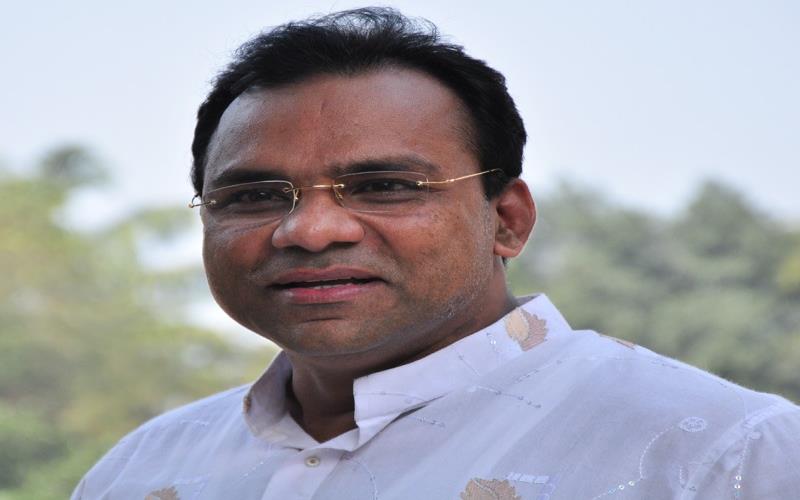
Misha Sawdagor, born Shahid Hasan on January 4, 1966, is a renowned Bangladeshi actor who has become an iconic figure in the country’s film industry. Best known for his roles as a villain, Misha Sawdagor has appeared in more than 700 films over the span of his illustrious career. His journey from a humble beginning to a celebrated actor is both inspiring and remarkable. With a career spanning decades, Misha’s acting skills, his larger-than-life screen presence, and his unforgettable performances have made him a household name, especially in Bangladeshi cinema.
In this article, we will take an in-depth look at Misha Sawdagor’s biography, including his age, height, weight, net worth, personal life, and the evolution of his career, highlighting his achievements, challenges, and enduring legacy.
Personal Details of Misha Sawdagor
Before delving deeper into Misha Sawdagor’s remarkable career, let’s first take a look at his personal details. This section includes some key facts about his age, height, weight, and family life, providing a snapshot of the man behind the characters.
| Personal Information | Details |
|---|---|
| Full Name | Shahid Hasan (Misha Sawdagor) |
| Date of Birth | January 4, 1966 |
| Age | 58 years old (as of 2024) |
| Place of Birth | Dhaka, East Pakistan (now Bangladesh) |
| Nationality | Bangladeshi |
| Occupation | Actor |
| Years Active | 1986–present |
| Spouse | Zobaida Rabbani Mita (m. 1993) |
| Children | 2 |
Early Life and Background
Misha Sawdagor was born into a modest family in Old Dhaka, where he was the fourth of five children. His parents, Bilkis Rashida and Osman Gani, were middle-class individuals who supported their children’s aspirations. Misha showed an early interest in acting, a passion that was nurtured in his hometown, which was rich in cultural heritage.
Though not much is known about his early education, it is evident that Misha’s natural charisma and love for performance were apparent even as a young man. In 1986, his journey to stardom began when he participated in a talent hunt program organized by the Bangladesh Film Development Corporation (BFDC). This marked the beginning of his career in the Bangladeshi film industry, where he quickly became a prominent figure.
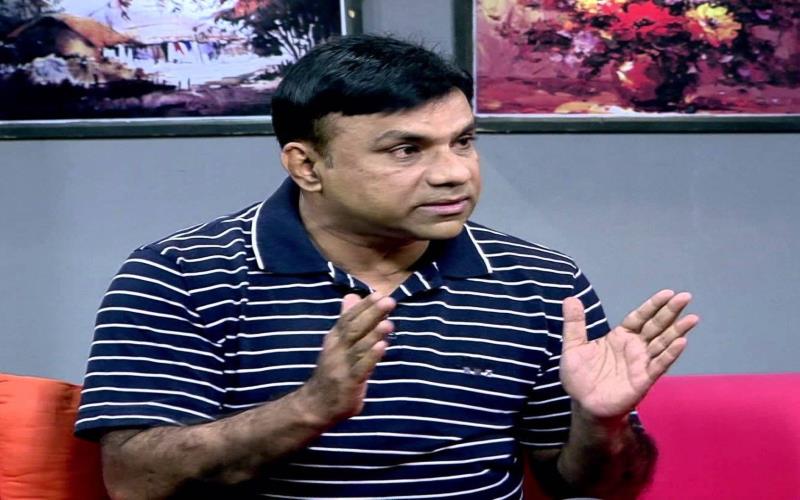
Misha Sawdagor’s Career Breakthrough
Misha Sawdagor’s acting career took off when he was cast as a villain in the 1995 film Asha Bhalobasha, which starred the late Salman Shah. His portrayal of the antagonist in this film helped establish him as a prominent villain in the industry. The role earned him recognition for his ability to deliver intense and memorable performances, despite being relatively new to the industry.
After Salman Shah’s untimely death, Misha continued to play antagonistic roles in films, often paired with the leading stars of the time. However, for a period, he struggled to find major recognition, as the industry was going through a transition, and new talent was coming to the forefront.
Rise to Prominence in Bangladeshi Cinema
Misha Sawdagor’s career truly flourished from 2006 onwards, when he began starring as the main antagonist in a series of hit films alongside Shakib Khan and Apu Biswas. This period marked the turning point in his career, and he soon became one of the most sought-after actors for villain roles in Bangladeshi cinema. His portrayal of the main villain was a defining characteristic of the films in which he starred, contributing to their commercial success.
In the following years, Misha gained further recognition for his roles in several successful films such as Boss Number One (2011), Olpo Olpo Premer Golpo (2014), and Bir (2020). His performances were widely appreciated, and he was honored with Bangladesh National Film Awards on three occasions—highlighting his significant contribution to the industry.
Cinematic Repertoire
| Year | Film Name | Character | Director |
|---|---|---|---|
| 1990 | Chetona | ||
| 1990 | Omor Songi | ||
| 1995 | Asha Bhalobasa | ||
| 1996 | Jibon Songsar | ||
| 1996 | Sotter Mrittu Nei | Chatku Ahmed | |
| 1997 | Prem Piyashi | ||
| 1997 | Buker Bhitor Agun | Chatku Ahmed | |
| 1998 | Shanto Keno Mastan | Montazur Rahman Akbar | |
| 1999 | Ananta Bhalobasa | Rana | |
| 2005 | Agun Amar Naam | ||
| 2005 | Banglar Bagh | ||
| 2006 | Didima | ||
| 2006 | Chacchu | ||
| 2007 | Shotru Shotru Khela | ||
| 2007 | Bou er Jala | ||
| 2007 | Kabin Naama | ||
| 2007 | Maa Amar Swargo | ||
| 2007 | Swamir Songsar | ||
| 2007 | Katha Dao Shathi Hobey | Sohanur Rahman Sohan | |
| 2008 | Somadhi | ||
| 2008 | Mone Prane Acho Tumi | Jakir Hossain Raju | |
| 2008 | Jodi Bou Sajogo | ||
| 2008 | Sontan Amar Ohongkar | ||
| 2008 | Amar Jaan Amar Pran | ||
| 2008 | Tumi Amar Prem | ||
| 2008 | Amader Choto Saheb | ||
| 2008 | Tumi Swapno Tumi Sadhona | ||
| 2009 | Mon Jekhane Hridoy Sekhane | Shahin Sumon | |
| 2009 | Sobai To Bhalobasa Chay | ||
| 2009 | Shaheb Name Golam | Raju Chowdhury | |
| 2009 | Jonmo Tomar Jonno | ||
| 2010 | Bhalobaslei Ghor Bandha Jay Na | Jakir Hossain Raju | |
| 2010 | Hay Prem Hay Bhalobasa | Nazrul Islam Khan | |
| 2010 | Bolo Na Tumi Amar | M B Manik | |
| 2010 | Poran Jay Jolai Re | ||
| 2010 | Takar Cheye Prem Boro | ||
| 2010 | Bostir Chele Kotipoti | ||
| 2011 | Mayer Jonno Pagol | Ahmed Nasir | |
| 2011 | Astro Charo Kolom Dhoro | Raju Chowdhury | |
| 2011 | Wanted | Azad Khan | |
| 2011 | Moner Jala | Malek Afsari | |
| 2011 | Ontore Acho Tumi | P A Kajal | |
| 2011 | Darowaner Chele | Rakibul Alam | |
| 2011 | Bondhu Tumi Shotru Tumi | Royal Babu | |
| 2011 | Koti Takar Prem | Sohanur Rahman Sohan | |
| 2011 | Tor Karone Beche Achi | M B Manik | |
| 2011 | Ekbar Bolo Bhalobashi | Badiul Alam Khokon | |
| 2011 | Goriber Vai | P A Kajal | |
| 2011 | Jaan Kurbaan | M B Manik | |
| 2011 | Tiger Number One | Shahin Sumon | |
| 2011 | Amar Prithibi Tumi | Gazi Mahbub | |
| 2011 | Ongko | Shahin Sumon | |
| 2011 | Chompa Ranir Akhra | ||
| 2011 | Garments Konna | G. Sarkar | |
| 2011 | Moner Ghore Boshot Kore | Jakir Hossain Raju | |
| 2011 | Boss Number One | Mohammad Hossain Jamie | |
| 2011 | King Khan | Mohammad Hossain Jamie | |
| 2011 | Priya Amar Jaan | Raju Chowdhury | |
| 2011 | Ke Apon Ke Por | Shahin Sumon | |
| 2011 | Pita Putrer Golpo | Kazi Hayat | |
| 2011 | Adorer Jamai | Shahadat Hossain Liton |
Achievements and Awards
Over his three-decade-long career, Misha Sawdagor has earned numerous accolades for his work in the film industry. His ability to portray villains with nuance and authenticity set him apart from others in the industry. He has become synonymous with villainous roles, and this association has helped solidify his place as one of the most respected actors in Bangladesh.
| Year | Award Name | Category | Movie Name | Result |
|---|---|---|---|---|
| 2011 | Bangladesh National Film Awards | Best Performance in a Negative Role | Boss Number One | Won (jointly) |
| 2014 | Bangladesh National Film Awards | Best Performance in a Comic Role | Olpo Olpo Premer Golpo | Won |
| 2018 | Bachsas Awards | Best Supporting Actor (Male) | Jannat | Won |
| 2020 | Bangladesh National Film Awards | Best Performance in a Negative Role | Bir | Won |
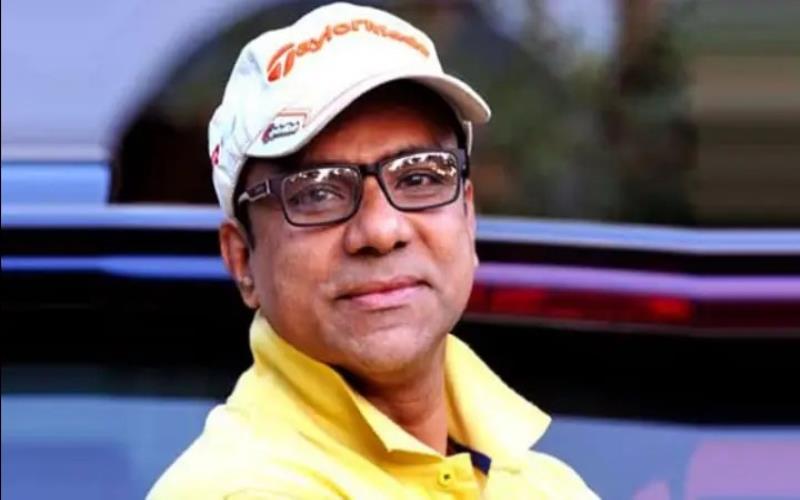
Misha Sawdagor’s Family and Personal Life
Outside the spotlight, Misha Sawdagor leads a relatively private life. He is married to Zobaida Rabbani Mita, and the couple has two children together. His family has been a strong pillar of support throughout his career, and Misha often credits them for his continued success and stability.
Despite his fame, Misha remains grounded and stays away from unnecessary public attention. He values his family life and tries to keep his personal matters private, a rarity for someone of his stature in the entertainment industry.
Physical Appearance: Height and Weight
Misha Sawdagor’s height and physical presence have been key factors in his on-screen persona. His towering stature and imposing figure make him the perfect fit for villain roles, where his character’s physicality plays a vital part in creating a menacing presence.
- Height: 6 feet 1 inch (185 cm)
- Weight: Approximately 85 kg (187 lbs)
Misha’s height and strong build have made him an unforgettable on-screen presence, particularly in his antagonist roles where his commanding figure adds to the intensity of his characters.
Misha Sawdagor’s Net Worth: The Financial Success
Misha Sawdagor has not only enjoyed fame and recognition but also significant financial success throughout his career. While the exact figures of his net worth are not publicly disclosed, it is estimated that his fortune is substantial, considering his long career and the number of films he has appeared in.
His net worth is believed to be in the range of $5 million to $10 million USD. This wealth comes from his roles in numerous successful films, television appearances, and other business ventures. Misha has also benefited from brand endorsements and other commercial activities, further boosting his financial standing.
Given his extensive body of work and continued relevance in the industry, Misha Sawdagor’s financial success is a testament to his longevity and influence in the Bangladeshi entertainment industry.
Misha Sawdagor’s Influence on Bangladeshi Cinema
Misha Sawdagor’s influence extends beyond his acting roles. He has played a key role in shaping the narrative of modern Bangladeshi cinema, particularly the genre of action films. His iconic roles as the villain have set a standard for many actors in the industry, who often look to him for inspiration.
The success of films in which he starred has helped elevate the profile of Bangladeshi cinema internationally, particularly in countries with large Bengali-speaking populations. Misha has contributed to making the Bangladeshi film industry more commercially viable and widely recognized, helping pave the way for future generations of actors.
Conclusion: Misha Sawdagor’s Legacy
Misha Sawdagor’s career is a testament to his perseverance, talent, and dedication to his craft. From his early days as a newcomer to becoming one of the most iconic figures in Bangladeshi cinema, Misha has proven that success is not only about talent but also about timing, hard work, and the ability to adapt to changing trends in the industry.
As he continues to act and contribute to the industry, Misha Sawdagor’s legacy is solidified. He has become an integral part of Bangladeshi cinema, and his work continues to inspire new generations of actors. With his incredible career, remarkable achievements, and immense popularity, Misha Sawdagor stands as a true legend of Bangladeshi entertainment.
