


Shambhu Bhattacharya is a name synonymous with the golden era of Indian theatre, a figure whose contributions have left an indelible mark on the cultural landscape of the country. As a pioneer in the realm of performing arts, his work resonates with the themes of social justice, human emotions, and artistic integrity. Shambhu Bhattacharya’s life and legacy remain an inspiring chapter in the story of Indian theatre, embodying passion, creativity, and commitment to excellence.
Early Life and Influences
Born in Bengal during the early 20th century, Shambhu Bhattacharya grew up in a world teeming with cultural richness and political turbulence. His formative years coincided with a period when art and literature were powerful tools for social and political expression. Shambhu was profoundly influenced by the works of Rabindranath Tagore and the Indian independence movement, both of which shaped his worldview and his artistic inclinations.
Shambhu’s early exposure to theatre came through local performances and cultural gatherings in Bengal. His interest in the art form was evident from a young age, and he began his journey as an actor in amateur theatre groups. These early experiences laid the groundwork for his future endeavors, instilling in him a love for storytelling and an understanding of the transformative power of theatre.
Theatrical Career: The Rise of a Visionary
Shambhu Bhattacharya’s career in theatre began at a time when Indian theatre was undergoing significant changes. The influence of Western techniques and the resurgence of indigenous storytelling traditions created a dynamic environment for experimentation. Shambhu embraced this opportunity, blending traditional and modern elements to craft performances that were both innovative and rooted in cultural authenticity.
His association with prominent theatre groups in Bengal, particularly during the 1940s and 1950s, marked the beginning of his ascent as a leading figure in the Indian theatre movement. As a playwright, director, and actor, Shambhu’s works often explored themes of social justice, human rights, and the struggles of the marginalized. His ability to weave powerful narratives with compelling performances earned him critical acclaim and a devoted audience.

Notable Works
One of Shambhu Bhattacharya’s most celebrated contributions to theatre is his adaptation of classic Indian and Western plays. His reinterpretation of Tagore’s Rakta Karabi and his staging of Antigone by Sophocles are regarded as masterpieces that showcased his artistic depth and directorial finesse.
In Rakta Karabi, Shambhu brought to life the poetic and philosophical essence of Tagore’s work, creating a visual and emotional spectacle that left audiences spellbound. Similarly, his adaptation of Antigone infused the ancient Greek tragedy with contemporary relevance, highlighting the eternal struggle between authority and individual conscience.
Shambhu’s original plays, too, remain a testament to his creative Net Worth. Works like Jibaner Jhora Pata (The Fallen Leaves of Life) and Andharer Alo (Light in the Darkness) delve into the complexities of human relationships and the quest for meaning amidst adversity. His ability to evoke deep emotions while addressing pressing social issues set him apart as a playwright with a purpose.
Style and Philosophy
His style of theatre was marked by a harmonious blend of realism and symbolism. He believed that theatre should not only entertain but also educate and enlighten. This philosophy guided his artistic choices, from the selection of themes to the design of sets and costumes.
He emphasized the importance of collaboration in theatre, viewing it as a collective art form where every actor, technician, and musician played a vital role. His productions were characterized by meticulous attention to detail, innovative staging, and a deep respect for the audience’s intelligence.
Shambhu was also an advocate for the democratization of theatre. He sought to make it accessible to people from all walks of life, often performing in rural areas and smaller towns. His commitment to inclusivity and his efforts to bridge the gap between urban and rural audiences underscored his belief in the transformative power of art.
Challenges and Legacy
The journey of Shambhu Bhattacharya was not without challenges. The financial constraints of producing high-quality theatre, coupled with the competition from emerging mediums like cinema and television, posed significant hurdles. Yet, Shambhu remained undeterred, relying on his resilience and resourcefulness to sustain his work.
One of his enduring legacies is his role in nurturing young talent. Shambhu was a mentor to countless aspiring actors and playwrights, many of whom went on to become luminaries in their own right. His guidance extended beyond technical skills, inspiring his protégés to embrace theatre as a medium of social change.
Influence on Modern Theatre
Shambhu Bhattacharya’s contributions have had a lasting impact on modern Indian theatre. His emphasis on meaningful storytelling and his innovative techniques continue to inspire contemporary playwrights and directors. The themes he explored—social justice, human resilience, and the pursuit of truth—remain as relevant today as they were during his time.
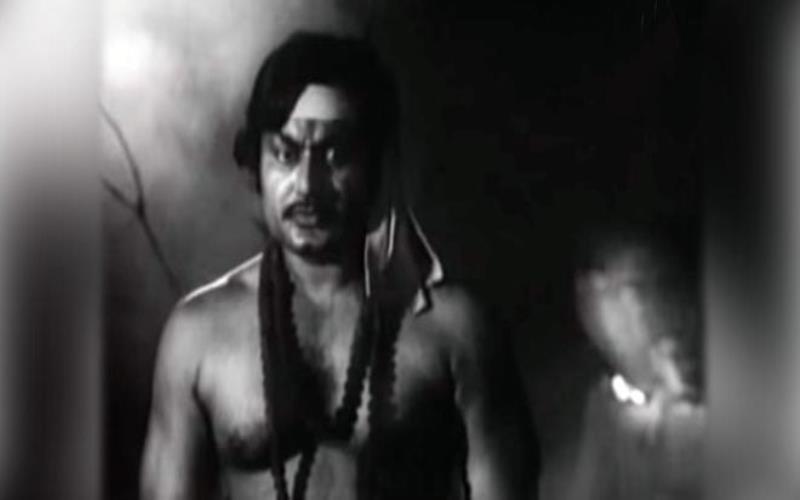
Many theatre groups and cultural organizations in India consider Shambhu’s work as a benchmark for artistic excellence. His productions are often cited in academic discussions on Indian theatre, and his plays are regularly revived, ensuring that his legacy endures.
Personal Life and Values
Despite his fame, He remained a humble and grounded individual. He was known for his simplicity and his unwavering dedication to his craft. His personal life was deeply intertwined with his artistic pursuits, and he often drew inspiration from his own experiences and observations of society.
Shambhu’s commitment to social causes extended beyond his theatrical work. He was actively involved in initiatives aimed at promoting education, cultural preservation, and community development. His life was a reflection of his belief in the power of art to bring about positive change.
Conclusion
His life and work stand as a beacon of inspiration for artists and audiences alike. His contributions to Indian theatre have enriched the cultural fabric of the nation, leaving an enduring legacy that transcends generations.
As a visionary playwright, director, and actor, He exemplified the transformative potential of theatre. His stories, infused with humanity and relevance, continue to resonate with audiences, reminding us of the enduring power of art to reflect and reshape society.
In the annals of Indian cultural history, Shambhu Bhattacharya’s name shines brightly—a testament to his genius, his perseverance, and his unwavering belief in the magic of the stage.
