

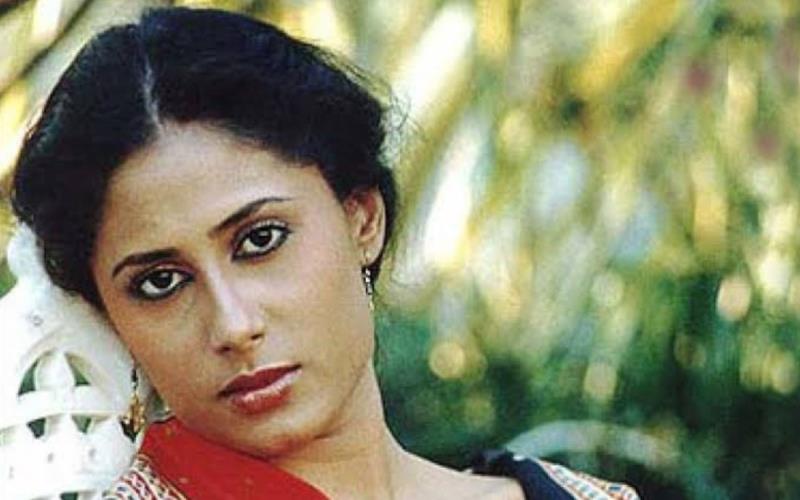
Smita Patil remains one of the most celebrated and enigmatic figures in Indian cinema. An actress par excellence, a trailblazer for meaningful roles, and a woman ahead of her time, she left an indelible mark on the Indian film industry with her compelling performances, poignant portrayals, and unwavering commitment to socially relevant cinema. Though her life was tragically cut short at the age of 31, her legacy continues to inspire generations of filmmakers, actors, and audiences.
Smita Patil’s personal information:
| Category | Details |
|---|---|
| Full Name | Smita Patil |
| Date of Birth | October 17, 1955 |
| Place of Birth | Pune, Maharashtra, India |
| Nationality | Indian |
| Profession | Actress |
| Active Years | 1974–1986 |
| Spouse | Raj Babbar |
| Children | Prateik Babbar |
| Education | Graduate in Psychology |
| Debut Film | Charandas Chor (1975) |
| Notable Works | Manthan, Bhumika, Arth, Chakra |
| Awards | National Film Awards, Filmfare Awards |
| Social Causes | Advocated for women’s rights and equality |
| Death | December 13, 1986 (aged 31) |
| Cause of Death | Complications from childbirth |
Smita Patil remains an iconic figure in Indian cinema, celebrated for her contribution to art films and her powerful performances.
Early Life and Journey into Cinema
Born on October 17, 1955, in Pune, Maharashtra, Smita Patil belonged to a family that valued education and progressiveness. Her father, Shivajirao Patil, was a politician, and her mother, Vidyatai Patil, was a social worker. Smita grew up imbibing values of discipline and social awareness, traits that would later influence her choice of roles and her approach to cinema.
Smita’s entry into the world of acting was serendipitous. A graduate of the Film and Television Institute of India (FTII), she started her career as a television newsreader for Doordarshan. Her striking looks, expressive eyes, and natural charisma caught the attention of celebrated filmmaker Shyam Benegal, who cast her in Charandas Chor (1975). This marked the beginning of her illustrious career.
A Stalwart of Parallel Cinema
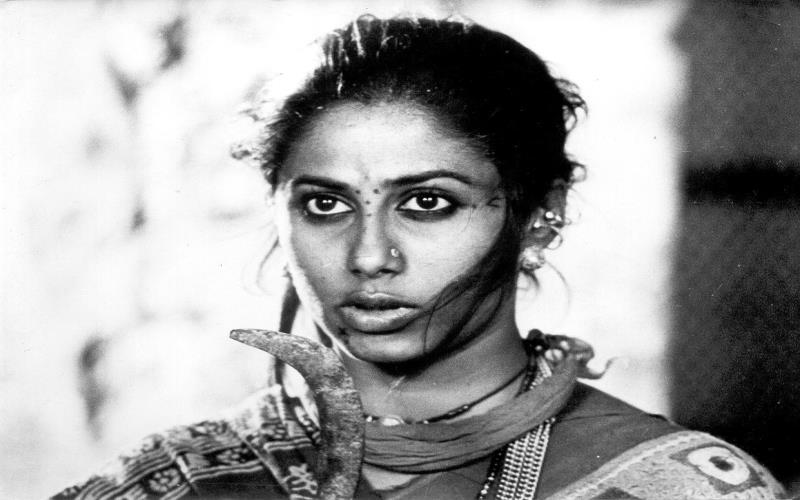
Smita Patil became synonymous with India’s parallel cinema movement, which flourished during the 1970s and 1980s. Unlike mainstream Bollywood, parallel cinema focused on realism, social issues, and artistic storytelling. Smita’s ability to seamlessly embody the essence of complex, often marginalized characters made her an icon of this genre.
Her collaboration with directors like Shyam Benegal, Govind Nihalani, and Mrinal Sen produced some of the most memorable films in Indian cinema. In Manthan (1976), Smita portrayed a rural woman in a story revolving around a milk cooperative movement. The film was funded by 500,000 farmers, symbolizing grassroots empowerment—a cause Smita deeply resonated with.
One of her most iconic performances was in Shyam Benegal’s Bhumika (1977), a biographical drama loosely based on the life of Marathi actress Hansa Wadkar. Playing the role of an actress trapped in a patriarchal society, Smita delivered a tour-de-force performance that won her the National Film Award for Best Actress. The role showcased her versatility and ability to bring out raw emotion, earning her critical acclaim and cementing her place in the industry.
Bridging the Gap Between Art and Mainstream Cinema
While Smita Patil was celebrated for her work in parallel cinema, she did not shy away from mainstream Bollywood. She successfully straddled both worlds, bringing authenticity and gravitas to her commercial roles. Films like Namak Halaal (1982), where she played a glamorous role opposite Amitabh Bachchan, showcased her versatility and ability to adapt to different cinematic styles.
Despite the glitz and glamour of Bollywood, Smita often gravitated toward films that offered her substantial roles. In Chakra (1981), she portrayed a slum dweller struggling for survival in Mumbai. The film, directed by Rabindra Dharmaraj, earned her a Filmfare Award for Best Actress and underscored her ability to bring dignity to even the most challenging roles.
Her role in Arth (1982), directed by Mahesh Bhatt, was another landmark in her career. The film, exploring themes of infidelity, identity, and female empowerment, saw Smita deliver a nuanced performance as a woman caught in a love triangle.
Smita Patil – Filmography:
| Year | Film Name | Character | Language | Remarks |
|---|---|---|---|---|
| 1974 | Raja Shiv Chhatrapati | Saibai | Hindi-Marathi | Bilingual |
| 1975 | Samna | Kamley | Marathi | – |
| 1975 | Nishant | Rukmani | Hindi | – |
| 1975 | Charandas Chor | Rajkumari | Hindi | – |
| 1976 | Manthan | Bindu | Hindi | – |
| 1977 | Bhumika | Usha/Urvashi Dalvi | Hindi | Won: National Film Award for Best Actress, Nominated: Filmfare Award for Best Actress |
| 1977 | Saal Solvan Chadya | Pinky | Punjabi | – |
| 1977 | Jait Re Jait | Chindhi | Marathi | Won: Filmfare Award for Best Actress – Marathi |
| 1978 | Kondura/Anugraham | Parvati | Hindi-Telugu | Bilingual |
| 1978 | Gaman | Khairun Hussain | Hindi | – |
| 1980 | Sarvasakshi | Sujatha | Marathi | – |
| 1980 | The Naxalites | Ajitha | Hindi | – |
| 1980 | Albert Pinto Ko Gussa Kyon Aata Hai | Joan | Hindi | – |
| 1980 | Aakrosh | Nagi Lahanya | Hindi | – |
| 1981 | Bhavani Bhavai | Ujaan | Gujarati | – |
| 1981 | Chakra | Amma | Hindi | Won: National Film Award for Best Actress, Won: Filmfare Award for Best Actress |
| 1981 | Tajurba | Pinki | Hindi | – |
| 1981 | Sadgati | Jhuria | Hindi | TV Movie |
| 1981 | Akaler Sandhane | Herself | Bengali | – |
| 1982 | Namak Halaal | Poonam | Hindi | – |
| 1982 | Bazaar | Najma | Hindi | Nominated: Filmfare Award for Best Actress |
| 1982 | Badle Ki Aag | Bijli | Hindi | – |
| 1982 | Dil-E-Nadaan | Sheela | Hindi | – |
| 1982 | Shakti | Roma Devi | Hindi | – |
| 1982 | Arth | Kavita Sanyal | Hindi | Nominated: Filmfare Award for Best Supporting Actress |
| 1982 | Umbartha | Sulabha Mahajan | Marathi | Won: Filmfare Award for Best Actress – Marathi, Maharashtra State Film Award for Best Actress |
| 1982 | Sitam | Meenakshi | Hindi | – |
| 1982 | Dard Ka Rishta | Dr. Anuradha | Hindi | – |
| 1982 | Bheegi Palkein | Shanti | Hindi | – |
| 1982 | Naseeb Ni Balihari | – | Gujarati | – |
| 1983 | Chatpati | Chatpatee | Hindi | – |
| 1983 | Ghungroo | Kesarbai | Hindi | – |
| 1983 | Qayamat | Shashi | Hindi | – |
| 1983 | Ardh Satya | Jyotsna Gokhale | Hindi | – |
| 1983 | Mandi | Zeenat | Hindi | Nominated: Filmfare Award for Best Supporting Actress |
| 1983 | Haadsa | Asha | Hindi | – |
| 1983 | Anveshane | Revati | Kannada | – |
| 1984 | Farishta | Kashibai | Hindi | – |
| 1984 | Sharaabi | Dancer | Hindi | Guest appearance in song “Jahan Char Yaar Mil Jaye” |
| 1984 | Hum Do Hamare Do | Aarati | Hindi | – |
| 1984 | Aaj Ki Awaaz | Rajni Deshmukh | Hindi | Nominated: Filmfare Award for Best Actress |
A Voice for Social Change
Beyond her cinematic achievements, Smita Patil was deeply committed to social causes. She viewed acting not merely as a profession but as a platform to raise awareness about pressing societal issues. Her film choices often reflected her desire to amplify the voices of the underprivileged and challenge societal norms.
Smita’s portrayal of women was groundbreaking, as she consistently chose roles that defied stereotypes. She embodied strong, independent, and flawed women who grappled with real-world challenges. In doing so, she redefined how women were depicted on screen, paving the way for future generations of actresses to demand more meaningful roles.
Her off-screen persona was equally inspiring. Smita actively participated in causes related to women’s rights, environmental protection, and social justice. She believed in using her fame for the greater good and was known for her humility and approachability.
A Tragic Loss
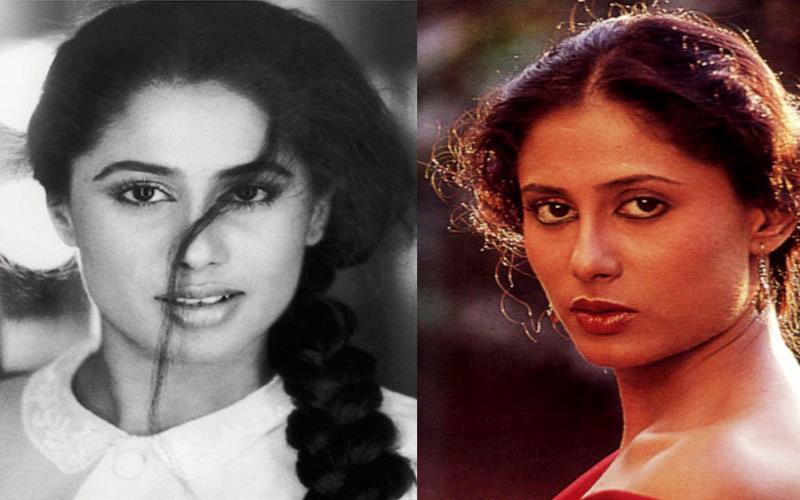
In 1986, Smita Patil married actor Raj Babbar, with whom she had a son, Prateik Babbar, who later followed in her footsteps to become an actor. However, her life took a tragic turn shortly after the birth of her son. Smita passed away on December 13, 1986, due to complications during childbirth, leaving the film industry and her admirers in shock and grief.
Her untimely demise robbed Indian cinema of one of its brightest stars. Yet, the body of work she left behind continues to be celebrated for its depth, relevance, and artistry.
A Lasting Legacy
Smita Patil’s contribution to Indian cinema goes beyond her filmography. She challenged conventional norms, brought authenticity to her roles, and left an indelible impression on the art of storytelling. Her performances continue to be studied and admired, serving as a masterclass in acting for aspiring artists.
Her impact on Indian cinema is also evident in the awards and honors named after her. The Smita Patil Memorial Award is conferred annually to actresses who demonstrate excellence in Indian cinema, ensuring her legacy remains alive.
In recent years, there has been a renewed interest in her life and career, with retrospectives, documentaries, and biographies celebrating her work. Filmmakers and critics often cite her as one of the finest actresses India has ever produced, a sentiment echoed by audiences who cherish her films.
Smita Patil – Civilian Award:
| Year | Award Name | Work | Result | Remarks |
|---|---|---|---|---|
| 1985 | Padma Shri | Contribution in the field of Arts | Honoured | Recognized for her excellence in acting and significant contributions to Indian cinema |
Smita Patil – Film Awards:
| Year | Award Name | Category/Class | Work | Result |
|---|---|---|---|---|
| 1977 | National Film Awards | Best Actress | Bhumika | Won |
| 1978 | Filmfare Awards | Best Actress | Bhumika | Nominated |
| 1978 | Filmfare Marathi Awards | Best Actress – Marathi | Jait Re Jait | Won |
| 1980 | National Film Awards | Best Actress | Chakra | Won |
| 1982 | Filmfare Awards | Best Actress | Chakra | Won |
| 1983 | Filmfare Awards | Best Actress | Bazaar | Nominated |
| 1983 | Filmfare Marathi Awards | Best Actress – Marathi | Umbartha | Won |
| 1983 | Maharashtra State Film Awards | Best Actress | Umbartha | Won |
| 1984 | Filmfare Awards | Best Supporting Actress | Arth | Nominated |
| 1984 | Filmfare Awards | Best Supporting Actress | Mandi | Nominated |
| 1985 | Filmfare Awards | Best Actress | Aaj Ki Aawaz | Nominated |
| 1987 | Bengal Film Journalists’ Association Awards | Best Actress – Hindi | Mirch Masala | Won |
| 1989 | Star & Style – Lux Awards | Best Actress | Waaris | Won |
Conclusion
Smita Patil was more than just an actress; she was a symbol of strength, integrity, and artistic brilliance. Her fearless approach to her craft, combined with her commitment to social issues, made her a true trailblazer. In a career that spanned just over a decade, she left behind a treasure trove of unforgettable performances that continue to inspire and resonate.
Though her life was brief, Smita Patil’s legacy is eternal. She remains a guiding light for those who seek to use art as a medium for change, proving that cinema can be both entertaining and transformative. In her own words: “I do not merely act, I live my characters.” Indeed, Smita Patil lived her roles—and in doing so, she immortalized herself in the hearts of millions.
