


Sohini Sengupta is a name that resonates powerfully in the Indian performing arts scene, especially within Bengali cinema and theater. Known for her intense commitment to her roles and her nuanced performances, she has built a reputation as one of the most versatile and profound actors in India. Her dedication to her craft and deep understanding of character dynamics make her stand out, while her lineage as the daughter of theater veterans Swatilekha and Rudraprasad Sengupta further connects her with India’s rich theater heritage.
This article explores Sohini Sengupta’s early life, artistic influences, career milestones, and contributions to Indian theater and cinema. It also examines her legacy within the industry, her approach to acting, and the unique qualities that make her a remarkable figure in contemporary Indian performance arts.
Early Life and Background
Sohini Sengupta was born into a family deeply rooted in the world of theater. Her father, Rudraprasad Sengupta, is a celebrated actor, director, and playwright, and her mother, Swatilekha Sengupta, was an accomplished actress known for her collaboration with the legendary filmmaker Satyajit Ray. Growing up in such a family, Sohini was exposed to theater and performance from an early age, and this environment greatly influenced her understanding of the craft.
Her upbringing was unique, filled with theater rehearsals, script readings, and performances. These experiences contributed to her early understanding of the subtle nuances of acting and honed her observational skills. Her mother’s performances, especially her role in Ray’s film Ghare Baire (The Home and the World), became a blueprint for young Sohini to understand character depth and emotional expression. It was a natural progression for her to move into the world of acting, though she has never been driven solely by fame; instead, she has been motivated by a deep respect for the art form and a desire to honor the craft that she grew up around.
Training and Entry into Theater
Sohini’s formal training began at an early age under the tutelage of her parents, who were among her first teachers. She grew up observing their methods, listening to their advice, and learning the discipline required for theater. As she matured, she joined Nandikar, one of Kolkata’s most iconic theater groups, where her parents were active members. This association was a transformative experience, providing her with a structured environment where she could develop her skills, understand the rigor of stagecraft, and experiment with different roles.
Read More Bio About: Mumtaz Sorcar
At Nandikar, Sohini started taking on minor roles in productions, gradually building up her confidence. Over time, she expanded her range by portraying various characters, which helped her understand human emotions, societal nuances, and the complexity of human relationships. She went on to perform in several critically acclaimed plays, including Antigone, Nati Binodini, and Amar Ami. Her performances were noted for their depth and commitment, and she soon became known as a serious actor with an ability to embody her characters completely.
Artistic Style and Approach to Acting
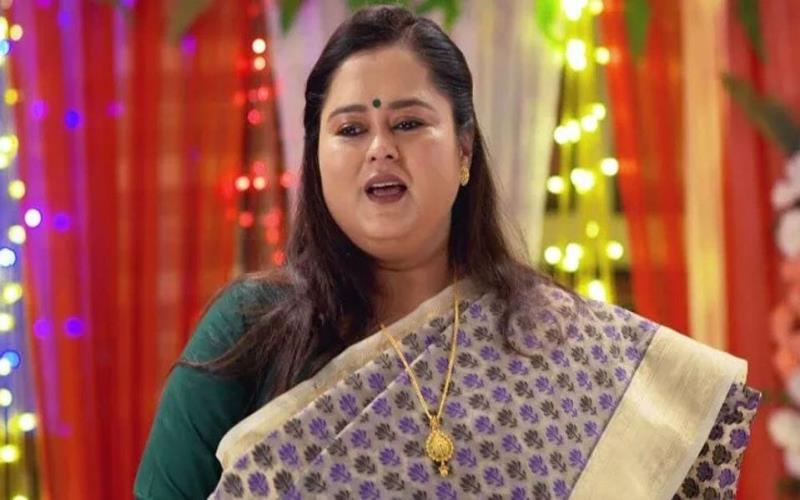
Sohini Sengupta’s acting style can be described as deeply methodical and rooted in realism. She is known for her meticulous preparation for each role, spending significant time understanding her character’s psyche, motivations, and backstory. Her commitment to authenticity in her performances is evident, and she often emphasizes the importance of emotional truth in her work. In interviews, Sohini has stated that her approach to acting is heavily influenced by her observations of everyday life and the human experiences she encounters.
She believes in immersing herself in the role to the extent that she can feel what the character would genuinely feel. This approach allows her to deliver performances that feel both authentic and relatable, leaving a lasting impact on her audience. Sohini’s method is akin to that of classical theater actors, where understanding the character’s world and internalizing their struggles is essential to portraying them accurately on stage.

Key Theater Productions and Roles
Sohini’s association with Nandikar has led her to work in several landmark plays, many of which have been celebrated across India. Some of her notable performances include:
- Antigone – In this adaptation of Sophocles’ Greek tragedy, Sohini’s portrayal of Antigone was a powerful representation of resilience and moral courage. Her nuanced portrayal highlighted her ability to embody the essence of classical characters while infusing them with a contemporary relevance.
- Nati Binodini – This play, based on the life of Binodini Dasi, one of the first female actresses in Bengali theater, allowed Sohini to explore the challenges faced by women in the performing arts. Her portrayal of Binodini Dasi’s journey from a struggling actress to a celebrated performer was both inspiring and thought-provoking. This role earned Sohini critical acclaim and solidified her status as a versatile and talented actress.
- Amar Ami – This play, an exploration of identity and personal struggle, showcased Sohini’s ability to delve into the complexities of the human psyche. Her performance in Amar Ami was widely praised for its emotional intensity and authenticity.
Through these roles, Sohini has established herself as a powerful stage actor, capable of captivating audiences with her performances. Her dedication to theater and commitment to delivering genuine performances have made her a respected figure within the Indian theater community.
Transition to Cinema
Although primarily a theater actress, Sohini Sengupta has also made significant contributions to Bengali cinema. Her transition from theater to film was natural, given her command over expression and understanding of character psychology. Her film roles, however, differ significantly from her stage performances, as cinema requires a subtler approach and often demands a more nuanced portrayal of emotions.
One of her most acclaimed performances in cinema was in the film Paramitar Ekdin (House of Memories), directed by the renowned filmmaker Aparna Sen. In the movie, Sohini played the role of Paramita, a woman dealing with family complexities and societal expectations. Her portrayal was highly appreciated, as she brought a rawness and vulnerability to the character that resonated deeply with audiences. The film allowed Sohini to display her range as an actor and introduced her to a wider audience.
Her other cinematic roles include performances in films like Ichhe and Bakita Byaktigato, where she once again demonstrated her ability to convey deep emotions with subtlety and grace. These films highlighted her versatility and proved that her talents extended beyond the stage.
Legacy and Influence
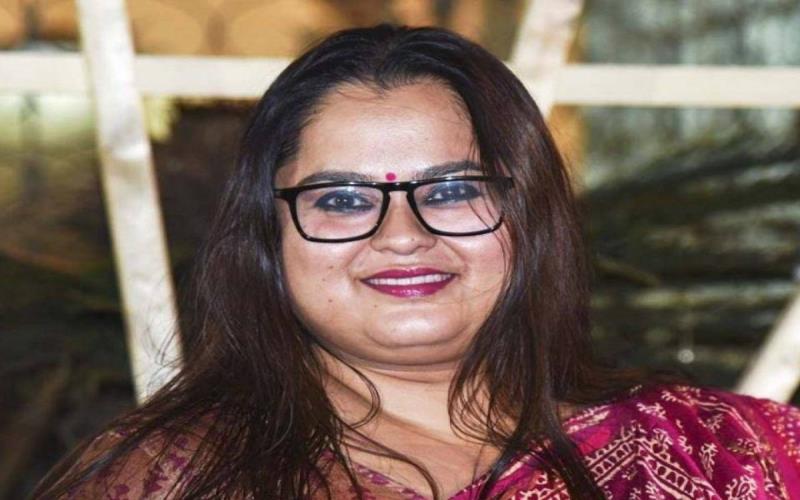
Sohini Sengupta’s contribution to Indian theater and cinema is significant, and her influence is felt by both her contemporaries and younger generations of performers. Her dedication to her craft and her commitment to portraying authentic characters have inspired many aspiring actors. She has redefined what it means to be a serious actor in India, emphasizing the importance of hard work, discipline, and a deep respect for the art of performance.
As a second-generation theater practitioner, Sohini carries forward her family’s legacy in the arts, but she has also carved her path. Her focus on character-driven performances and realistic portrayals has set a standard for acting in the Indian theater and film industry. She has also been an advocate for the importance of theater as a medium of social commentary and change, often selecting roles that address societal issues and reflect the human condition.
Challenges and Triumphs
Like many actors dedicated to theater, Sohini Sengupta has faced challenges, particularly concerning the limited commercial support and recognition for theater in India. Despite these obstacles, she has continued to pursue her passion, often working with minimal resources but with an unwavering commitment to her art.
Her journey has also been one of triumph. From her critically acclaimed performances to her transition into film, Sohini has demonstrated resilience, creativity, and an unwavering dedication to her craft. Her journey is a testament to her love for the performing arts and her belief in the power of storytelling.
Conclusion
Sohini Sengupta’s journey in the world of theater and cinema is a story of passion, dedication, and resilience. Her contributions to Indian theater have been immense, and her performances continue to inspire and move audiences. By carrying forward her family’s legacy and creating a space for herself in the Indian arts scene, Sohini has set an example for future generations of artists.
Her story is a reminder of the power of commitment to one’s craft and the importance of authenticity in performance. Sohini Sengupta is not just an actress; she is a true artist who has elevated the art of acting and has left an indelible mark on Indian theater and cinema. In a world that often prioritizes glamour over substance, Sohini remains a beacon of integrity and dedication, proving that true artistry lies in the ability to connect with people through genuine, heartfelt performances.
