

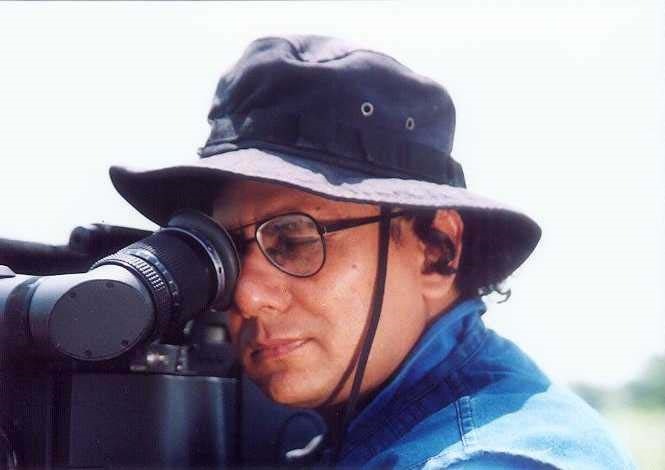
Tanvir Mokammel is a name synonymous with excellence in filmmaking and literature, known for his impactful storytelling and thought-provoking documentaries. As one of the most revered filmmakers and writers in Bangladesh, he has carved a niche for himself by blending artistry with deep socio-political commentary. His works reflect a profound understanding of human struggles, history, and culture, making him a prominent figure in South Asian cinema and beyond.
In this article, we dive into the life of Tanvir Mokammel, uncovering details about his age, early life, career, achievements, and net worth while exploring the legacy he continues to build.
Personal Details
| Attribute | Details |
|---|---|
| Full Name | Tanvir Mokammel |
| Date of Birth | March 8, 1955 |
| Age | 69 (as of 2024) |
| Place of Birth | Khulna, Bangladesh |
| Nationality | Bangladeshi |
| Profession | Filmmaker, Writer |
| Education | Graduate in English Literature |
| Height | Approx. 175 cm (5’9″) |
| Weight | Approx. 70 kg (154 lbs) |
| Marital Status | Married |
| Years Active | 1980 – Present |
| Net Worth | Estimated $1.5 million |
Early Life and Education
Tanvir Mokammel was born in the scenic region of Khulna, Bangladesh, where he spent his formative years. Growing up in a culturally rich environment, he developed an early interest in literature, theater, and storytelling. His exposure to the socio-political landscape of Bangladesh during the turbulent 1970s further deepened his understanding of history and human resilience, themes that prominently feature in his works.
Tanvir pursued a degree in English Literature, which enhanced his appreciation of classic and modern storytelling. This academic foundation became a cornerstone of his career, equipping him with the tools to create narratives that resonate deeply with audiences.
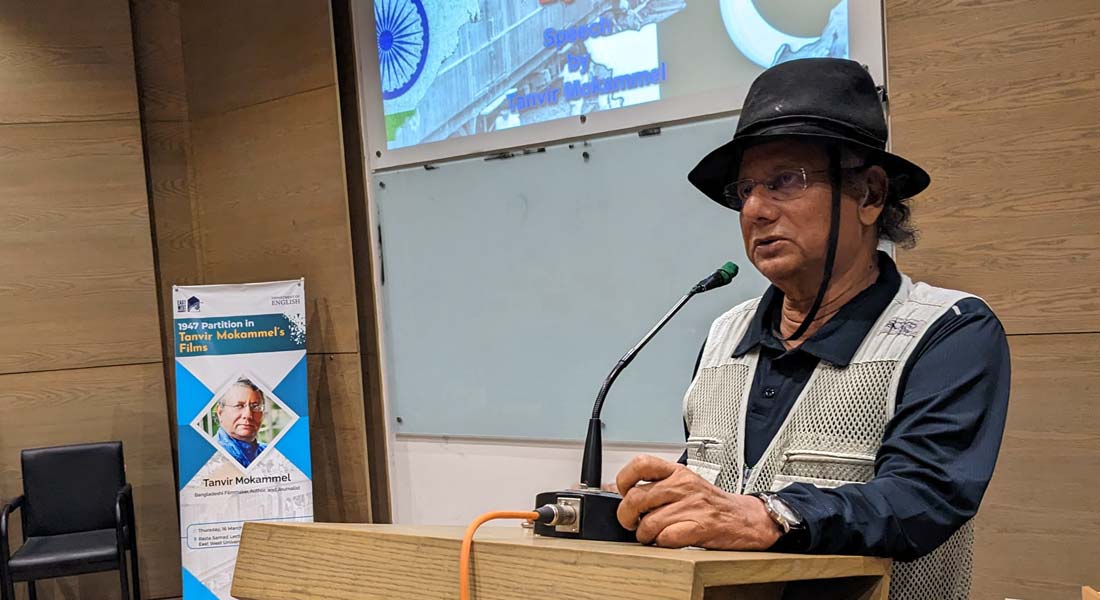
Career Highlights
Entry into Filmmaking
Tanvir Mokammel began his career in the 1980s, initially focusing on theater and literature. His passion for visual storytelling, however, led him to filmmaking, where he found his true calling. His debut film, Hooliya (1984), showcased his ability to merge artistry with realism, setting the tone for the rest of his career.
Cinematic Repertoire
| Year | Name (Bengali) | English Name | Contribution | Records |
|---|---|---|---|---|
| 1984 | Hooliya | Wanted | Script/Direction | Experimental short feature film based on a political poem by Nirmalendu Goon. |
| 1991 | Smriti Ekattor | Remembrance of ’71 | Script/Direction | Documentary on the 1971 massacre of Bengalis. |
| 1993 | Ekti Golir Atyakahini | Tale of a Lane | Script/Direction | Documentary on the Hindu conch shell makers of old Dhaka. |
| 1996 | Nodir Naam Modhumoti | The River Named Modhumati | Script/Direction | Feature film set during the 1971 liberation war. Won 3 National Awards: Best Story, Dialogue, and Song. Shown at Tri Continental Film Festival. |
| — | Achin Pakhi | The Unknown Bird | Script/Direction | Documentary on the Bauls. |
| — | Swapnar School | A School for Swapna | Script/Direction | Documentary on alternative education for underprivileged adults. |
| 1999 | Chitra Nodir Pare | Quiet Flows The River Chitra | Script/Direction | Won 7 National Film Awards including Best Film. |
| — | Images and Impressions | Images and Impressions | Script/Direction | Documentary on Danish Folk High Schools. |
| 2001 | Lalsalu | A Tree Without Roots | Script/Direction | Won 7 National Film Awards including Best Film. |
| 2002 | Oie Jamuna | A Tale of the Jamuna River | Script/Direction | Documentary film. |
| 2004 | Lalon | Lalon | Script/Direction | Feature film on Lalon Shah. Won National Film Award for Best Art Direction. |
| 2005 | Karnaphulir Kanna | Teardrops of Karnaphuli | Script/Direction | Documentary on indigenous communities in the Chittagong Hill Tracts. Banned by the government. |
| — | Bonojatri | Riders to the Sunderbans | Script/Direction | Documentary on the Sunderbans. |
| 2007 | Bostrobalikara | Garment Girls of Bangladesh | Script/Direction | Won Best Documentary by Bangladesh Federation of Film Societies. |
| — | Nissonga Sarathi | Tajuddin Ahmad: An Unsung Hero | Script/Direction | Documentary on Tajuddin Ahmad, first premier of Bangladesh. |
| — | Swapnabhumi | The Promised Land | Script/Direction | Won Second Best Documentary at Film South Asia Festival, Nepal (2009). |
| 2008 | Rabeya | The Sister | Script/Direction | A reinterpretation of Antigone set during the 1971 liberation war. |
| 2011 | 1971 | 1971 | Script/Direction | Mega-documentary on the liberation war of Bangladesh. |
| 2012 | Japani Bodhu | The Japanese Wife | Script/Direction | Documentary on Hariprobha Takeda, the first Bengali woman travelogue writer on Japan and WWII radio broadcaster. |
| 2014 | Jibondhuli | The Drummer | Script/Direction | Feature film about a lower-caste drummer during the 1971 war. |
| 2017 | Seemantorekha | The Borderline | Script/Direction | Documentary on the Partition of Bengal in 1947. |
| 2020 | Rupsha Nodir Banke | Quiet Flows the River Rupsha | Script/Direction | Biographical film based on the life of a leftist political activist. |
Award-Winning Films
Tanvir’s filmography includes numerous critically acclaimed films and documentaries, many of which have received international recognition. Some of his notable works include:
- Chitra Nadir Pare (1999)
A poignant tale set during the Partition of Bengal, this film is regarded as one of the greatest works in Bangladeshi cinema. - Lalsalu (Tree Without Roots) (2001)
Based on Syed Waliullah’s novel, this film explores themes of religious exploitation and rural life, earning widespread praise. - 1971 (2014)
A powerful documentary capturing the Liberation War of Bangladesh, this work is a testament to Tanvir’s commitment to preserving history through cinema. - Jibondhuli (2014)
This film delves into the plight of marginalized communities during the Liberation War, showcasing Tanvir’s ability to give voice to the voiceless.
Literary Contributions
In addition to his filmmaking, Tanvir Mokammel is an accomplished writer. His books on cinema, history, and culture provide valuable insights into the socio-political fabric of Bangladesh and South Asia.
Awards and Honors
| Year | Award | Category/Class | Nominated Work | Result |
|---|---|---|---|---|
| 1995 | National Film Award | Best Story | Nodir Naam Modhumoti | Won |
| 1995 | National Film Award | Best Dialogue | Nodir Naam Modhumoti | Won |
| 1999 | National Film Award | Best Film | Chitra Nodir Pare | Won |
| 1999 | National Film Award | Best Director | Chitra Nodir Pare | Won |
| 1999 | National Film Award | Best Story | Chitra Nodir Pare | Won |
| 1999 | National Film Award | Best Dialogue | Chitra Nodir Pare | Won |
| 2001 | National Film Award | Best Film | Lalsalu | Won |
| 2001 | National Film Award | Best Director | Lalsalu | Won |
| 2001 | National Film Award | Best Dialogue | Lalsalu | Won |
| 2007 | Chalachchitram Padak | Lifetime Achievement | — | Won |
| 2017 | Ekushey Padak | Contribution to Bengali Film | — | Won |
Tanvir Mokammel’s Vision
What sets Tanvir apart is his dedication to telling stories that matter. His films often tackle themes of oppression, identity, and social justice, challenging audiences to reflect on the world around them.
Through his documentaries, Tanvir has preserved the history of Bangladesh, ensuring that the struggles and triumphs of its people are never forgotten. His commitment to authenticity and his fearless exploration of uncomfortable truths have made him a true pioneer in South Asian cinema.
Challenges and Triumphs
Tanvir Mokammel’s journey to success has not been without its challenges. As an independent filmmaker in a developing country, he faced numerous financial and logistical hurdles. Yet, his unwavering passion and resourcefulness allowed him to overcome these obstacles and produce works of exceptional quality.
His ability to turn limitations into opportunities is a testament to his creativity and resilience, qualities that continue to inspire aspiring filmmakers and artists worldwide.
Net Worth and Lifestyle
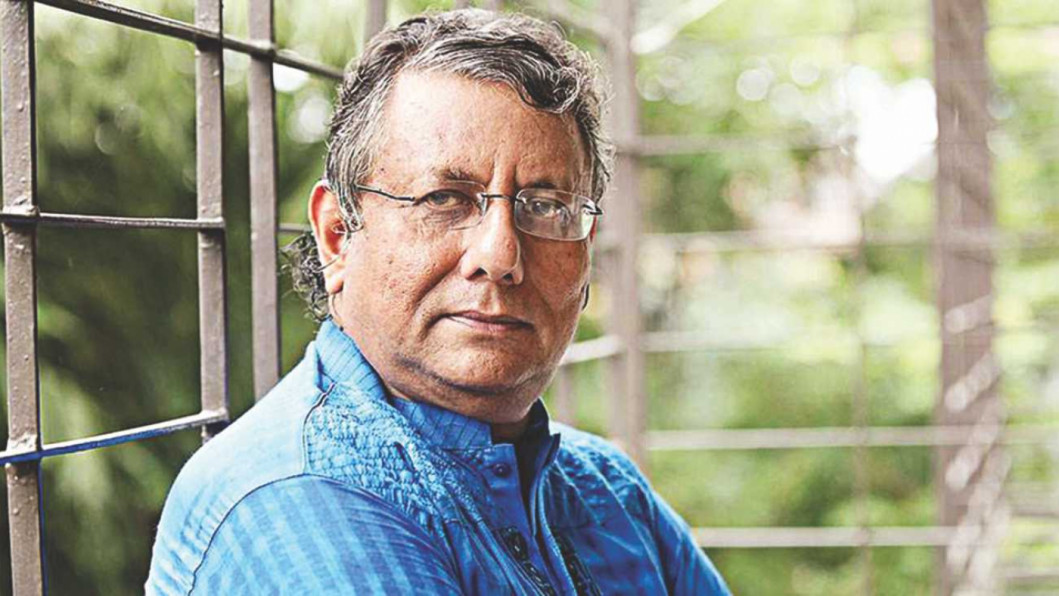
Tanvir Mokammel’s estimated net worth stands at $1.5 million. His income primarily stems from his films, books, and international collaborations.
Despite his financial success, Tanvir leads a modest lifestyle, emphasizing the importance of cultural and intellectual wealth over material possessions. He invests much of his earnings into projects that promote art, education, and historical preservation.
Personal Life
Tanvir Mokammel is a private individual who values his family and personal relationships. His life away from the spotlight is centered around reading, writing, and engaging in meaningful discussions about art and society.
He is also known for mentoring young filmmakers, sharing his knowledge and experiences to nurture the next generation of storytellers.
Philanthropy and Social Impact
Tanvir Mokammel is deeply committed to social causes, using his platform to address issues such as poverty, education, and human rights. Through his films and writings, he amplifies the voices of marginalized communities, advocating for a more equitable and inclusive society.
He also collaborates with organizations that focus on preserving cultural heritage, ensuring that future generations have access to the rich history and traditions of Bangladesh.
Future Aspirations
As a filmmaker and writer, Tanvir Mokammel continues to push boundaries. His future projects aim to explore new narratives, highlighting underrepresented stories and cultures.
He is also working on initiatives to promote independent cinema in Bangladesh, fostering a creative ecosystem that supports emerging talent.
Legacy
Tanvir Mokammel’s contributions to cinema and literature have left an indelible mark on Bangladesh and beyond. His works serve as a bridge between past and present, preserving history while addressing contemporary issues.
Through his art, Tanvir has inspired countless individuals to think critically, act compassionately, and pursue their dreams with courage and conviction.
Conclusion
Tanvir Mokammel’s life and career are a celebration of passion, perseverance, and purpose. From his humble beginnings in Khulna to becoming a global icon in filmmaking, his journey is a source of inspiration for aspiring artists and storytellers.
As he continues to create impactful works and mentor future generations, Tanvir Mokammel’s legacy as a pioneer of South Asian cinema remains secure. His story reminds us of the transformative power of art and the enduring impact of a life dedicated to truth and creativity.
