

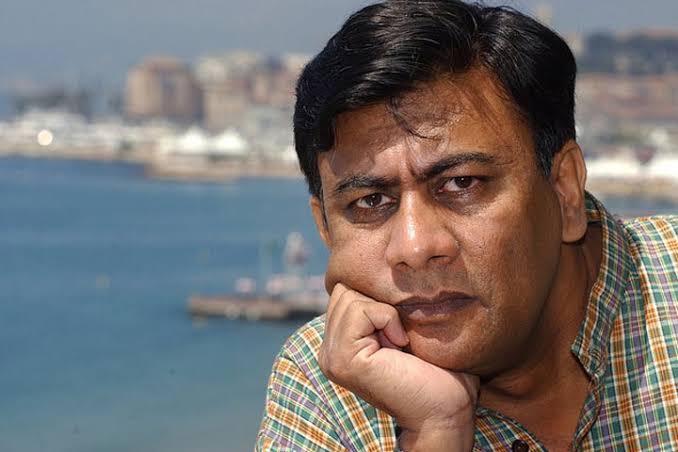
Tareque Masud was a pioneering filmmaker, storyteller, and cultural icon in Bangladesh, whose work bridged the gap between art and social commentary. Known as the “Cinema Feriwala,” he used his films to reflect on societal challenges, history, and human connections.
This detailed guide delves into Tareque Masud’s inspiring biography, his early life, age, and career highlights, showcasing the indelible mark he left on Bangladeshi cinema and culture.
Tareque Masud – Personal Information
| Full Name | Tareque Masud |
|---|---|
| Date of Birth | December 6, 1956 |
| Place of Birth | Bhanga, Faridpur, East Pakistan (now Bangladesh) |
| Date of Death | August 13, 2011 |
| Place of Death | Ghior, Manikganj, Bangladesh |
| Nationality | Bangladeshi |
| Profession | Filmmaker, Screenwriter, Producer |
| Known For | Matir Moina, Muktir Gaan, Runway |
| Spouse | Catherine Masud |
| Languages | Bengali, English |
| Years Active | 1984–2011 |
| Awards | FIPRESCI Prize (Cannes), National Film Awards, Ekushey Padak (2012, posthumously) |
Who Was Tareque Masud?
Tareque Masud, born on December 6, 1956, in Bhanga, Faridpur, was a trailblazing Bangladeshi filmmaker. He gained international acclaim for his thought-provoking films, which combined artistic brilliance with compelling narratives.
Tareque’s work often highlighted historical, political, and cultural issues, earning him the title of a visionary. Through films like “Matir Moina” (The Clay Bird) and “Runway”, he brought Bangladeshi cinema to the global stage, becoming a symbol of creative freedom and storytelling excellence.
Early Life of Tareque Masud
Tareque Masud was born into a middle-class family in the Faridpur district of Bangladesh. His father, a religious teacher, and his mother instilled in him a deep appreciation for culture and education.
During his early years, Tareque attended a madrasa, where he was exposed to the spiritual and philosophical teachings of Islam. However, his academic journey soon shifted to secular education, where he discovered his passion for the arts, history, and storytelling.
The Liberation War of 1971 profoundly impacted his life. Witnessing the violence and struggles of the war inspired him to explore the power of storytelling as a medium for preserving history and advocating for justice.
Education and Path to Filmmaking
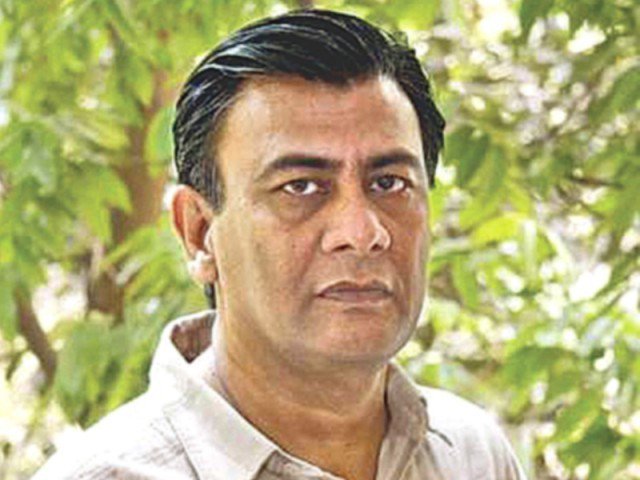
Tareque completed his higher education at Dhaka University, where he studied history. While at university, he became involved in cultural activism and developed a keen interest in filmmaking.
In the late 1970s, he joined various film societies and workshops, where he honed his skills as a director and storyteller. He was deeply influenced by global cinema movements, especially the works of Italian neorealist filmmakers and Indian auteurs like Satyajit Ray.
Read More: Ravi Shaw
His early foray into documentary filmmaking marked the beginning of a career that would redefine Bangladeshi cinema.
Career Highlights of Tareque Masud
1. Documentaries That Captured History
Tareque Masud began his filmmaking journey with documentaries that explored Bangladesh’s history and social issues.
- “Muktir Gaan” (1995): This groundbreaking documentary chronicled the Liberation War through the lens of cultural resistance. The film showcased the power of music in uniting people during times of struggle.
- “Muktir Kotha” (1999): A follow-up to Muktir Gaan, this documentary delved deeper into the stories of ordinary people who contributed to the Liberation War.
2. International Acclaim with Feature Films
Tareque Masud gained global recognition with his debut feature film, “Matir Moina” (The Clay Bird).
- “Matir Moina” (2002): This semi-autobiographical film explored themes of religion, identity, and the socio-political landscape of East Pakistan in the 1960s. It won the FIPRESCI Prize at the Cannes Film Festival and became Bangladesh’s first official entry for the Academy Awards.
- “Runway” (2010): This film examined the rise of extremism and its impact on vulnerable communities in Bangladesh.
3. Collaborative Work with Catherine Masud
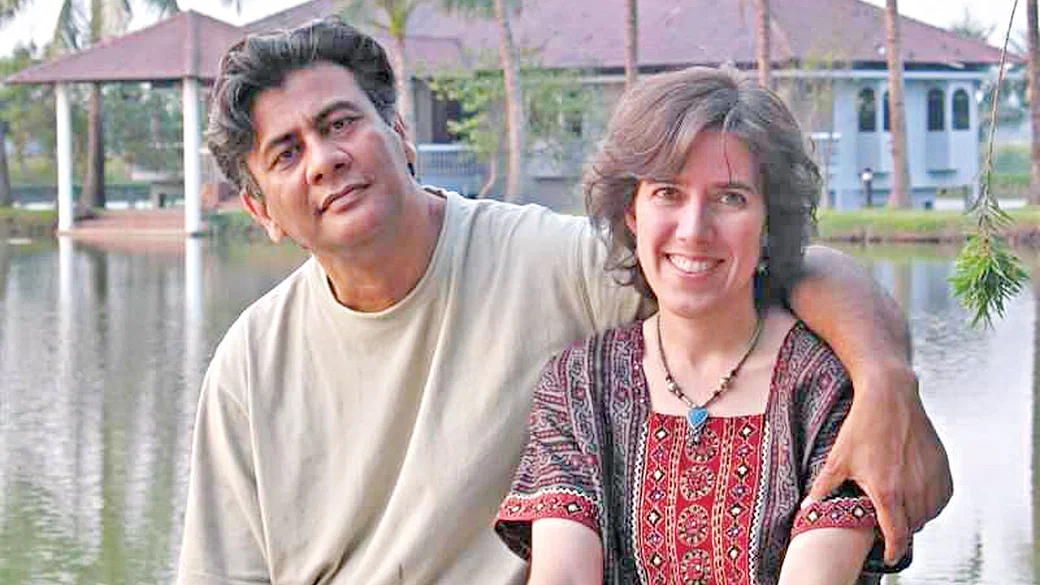
Tareque’s wife, Catherine Masud, was an integral part of his creative process. Together, they co-directed and produced films that pushed the boundaries of Bangladeshi cinema. Their collaboration reflected a deep synergy, blending cultural authenticity with universal themes.
4. Legacy as a Mentor and Advocate
Tareque Masud was not only a filmmaker but also a mentor to aspiring artists. He conducted workshops and advocated for an independent film movement in Bangladesh, empowering young filmmakers to tell their stories
Filmography of Tareque Masud
| Year | Title | Credited As | Notes |
|---|---|---|---|
| Director | Writer | ||
| 1985 | Shonar Beri | Yes | Yes |
| 1989 | Adam Surat | Yes | No |
| 1992 | Unison | Yes | Yes |
| 1993 | Shey | Yes | Yes |
| 1995 | Muktir Gaan | Yes | No |
| 1997 | Shishu Kantha | Yes | Yes |
| 1999 | Nirapotter Namey | Yes | Yes |
| 1999 | Muktir Kotha | Yes | No |
| 2000 | Narir Kotha | Yes | Yes |
| 2002 | Matir Moina | Yes | Yes |
| 2002 | A Kind of Childhood | Yes | Yes |
| 2006 | Ontarjatra | Yes | Yes |
| 2008 | Kansater Pothay | Yes | Yes |
| 2009 | Noroshundor | Yes | Yes |
| 2010 | Runway | Yes | Yes |
| TBA | Kagojer Phul | No | Yes |
Personal Life and Partnership with Catherine Masud
Tareque Masud married Catherine Masud, an American filmmaker and producer, in 1988. Their partnership extended beyond personal life, as they co-created some of Bangladesh’s most iconic films and documentaries.
Catherine’s background in anthropology and filmmaking complemented Tareque’s vision, resulting in a body of work that resonated with both local and international audiences.
Tragic End and Unfinished Projects
On August 13, 2011, Tareque Masud tragically passed away in a road accident while scouting locations for a new film. His untimely death was a significant loss to the global film community.
Several of his unfinished projects, including “Kagojer Phool” (The Paper Flower), remain a testament to his creative genius. Catherine Masud has since worked to preserve his legacy, ensuring that his contributions continue to inspire future generations.
Awards and Recognitions
Over his illustrious career, Tareque Masud received numerous awards and accolades:
- FIPRESCI Prize at Cannes: For Matir Moina in 2002.
- Bangladesh National Film Awards: Multiple wins for his contributions to filmmaking.
- Lifetime Achievement Awards: Posthumously honored by various cultural organizations for his impact on Bangladeshi cinema.
Tareque Masud’s Influence on Bangladeshi Cinema
Tareque Masud redefined the narrative of Bangladeshi cinema by focusing on stories that were both deeply personal and universally relevant.
His work bridged the gap between commercial and art-house cinema, paving the way for a new generation of filmmakers. By highlighting themes of history, identity, and human resilience, he ensured that Bangladeshi cinema found its place on the global stage.
Net Worth and Cultural Impact
While financial details of Tareque Masud’s career are not widely documented, his cultural impact is immeasurable. His films remain timeless treasures, celebrated for their artistic and social significance.
Legacy and Future Perspectives
Tareque Masud’s legacy continues to thrive through retrospectives, film screenings, and educational initiatives. His films are studied in academic circles and celebrated at international film festivals, ensuring that his vision remains alive.
Conclusion
Tareque Masud’s life and career symbolize the transformative power of storytelling. From his humble beginnings in Faridpur to becoming a global icon, his journey is an inspiration for filmmakers and artists worldwide.
His dedication to preserving history, advocating for justice, and celebrating human connections through cinema ensures that his legacy will endure for generations. As Bangladesh continues to evolve, Tareque Masud’s work serves as a reminder of the nation’s rich cultural heritage and boundless potential.
