

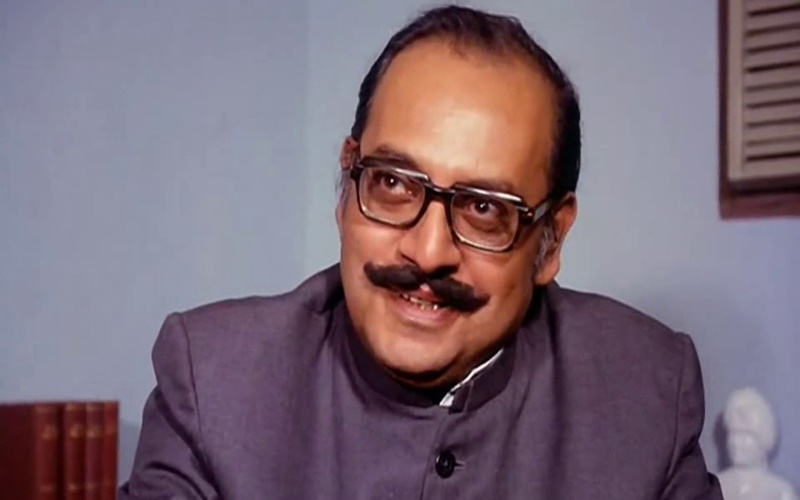
Utpal Dutt was one of the most iconic figures in Indian cinema and theater, celebrated for his profound impact on both mediums. Known for his versatility, humor, and commanding stage presence, he was a master at blending artistic brilliance with socially relevant themes. Over his illustrious career, Utpal Dutt became a household name, not only in Bengali cinema but also in Hindi films, leaving behind a legacy that continues to inspire generations. This article explores Utpal Dutt’s age, height, weight, biography, and incredible net worth, celebrating his journey as an actor, playwright, and director.
Early Life and Background
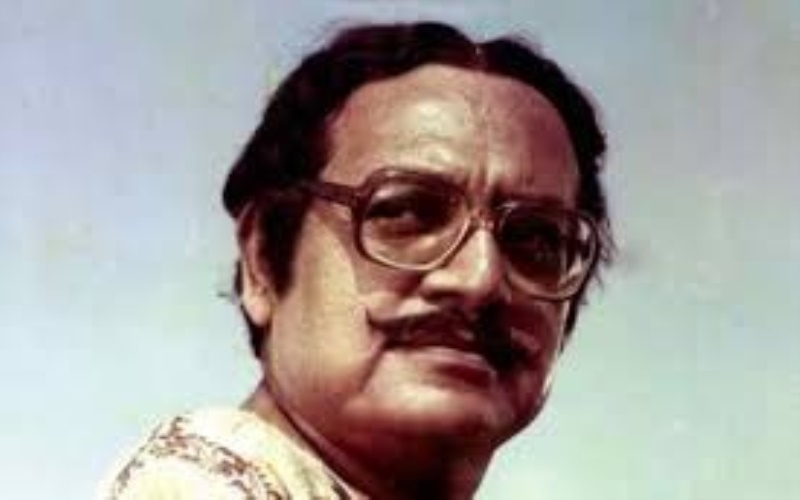
Utpal Dutt was born on March 29, 1929, in Barisal, British India (now Bangladesh), into a family that valued education and culture. From a young age, Utpal showed a keen interest in literature, arts, and performance. His academic excellence led him to St. Xavier’s College, Kolkata, where he graduated with a degree in English literature. While studying, he became deeply involved in theater, an experience that shaped his career trajectory.
Utpal was heavily influenced by Western literature, particularly Shakespeare, whose works he passionately performed in college plays. His understanding of drama, combined with his love for Bengali literature, laid the foundation for his entry into professional theater and eventually cinema.
Theater Beginnings and Rise to Fame
Theater Career
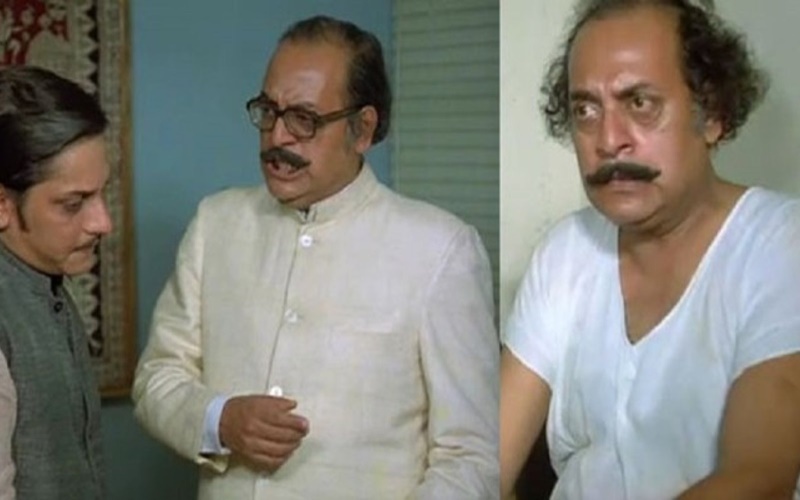
Utpal Dutt began his professional journey in the theater, founding the Little Theater Group (LTG) in 1947. LTG became a hub for Shakespearean plays, with Utpal taking on iconic roles such as Hamlet, Othello, and King Lear. His nuanced performances and directorial expertise earned him widespread acclaim, establishing him as a leading figure in Indian theater.
In the 1950s, Utpal shifted his focus toward political theater, founding the People’s Theatre Group. He used theater as a medium to address socio-political issues, crafting thought-provoking plays like “Kallol”, which examined the 1946 Royal Indian Navy mutiny. His works often courted controversy, and he was even imprisoned for his outspoken views, a testament to his commitment to his beliefs.
Influence on Indian Theater
Utpal Dutt’s contributions to Indian theater went beyond acting and directing. He authored several plays, essays, and books on drama, many of which are still studied today. His ability to blend artistic integrity with political awareness made him a pioneer of modern Indian theater, influencing generations of playwrights and directors.
Film Career
Early Work in Bengali Cinema
Utpal Dutt’s transition from theater to cinema was seamless, thanks to his commanding presence and impeccable acting skills. He made his debut in Bengali cinema with “Michael Madhusudan” (1950), portraying the titular character. However, it was his collaborations with legendary directors like Satyajit Ray and Mrinal Sen that brought him widespread recognition.
In films like “Bhuvan Shome” (1969), directed by Mrinal Sen, Utpal delivered one of his career-defining performances. The film, considered a cornerstone of Indian parallel cinema, showcased his ability to portray complex, layered characters. Utpal’s work in Bengali films like “Agantuk” (1991) and “Joi Baba Felunath” (1979) further solidified his status as a versatile actor.
Success in Hindi Cinema
Utpal Dutt gained immense popularity in Bollywood, particularly for his comedic roles in films like:
- “Gol Maal” (1979)
- “Naram Garam” (1981)
- “Rang Birangi” (1983)
In these films, Utpal showcased his impeccable comic timing, often playing authoritarian yet humorous characters that added depth to the narrative. His role as Bhavani Shankar in Gol Maal remains one of the most memorable comedic performances in Hindi cinema.
Despite his success in comedy, Utpal was equally adept at serious roles, as seen in films like “The Guru” (1969) and “Jadu Bansha” (1974). His ability to seamlessly transition between genres and languages made him one of India’s most versatile actors.
Physical Attributes
Height and Weight
Utpal Dutt stood at a height of approximately 5 feet 11 inches (180 cm), which, combined with his baritone voice and expressive demeanor, made him a commanding presence on stage and screen. During his prime, he weighed around 80 kg (176 lbs), maintaining a robust physique that suited his larger-than-life roles.
Age and Zodiac Sign
Born on March 29, 1929, Utpal Dutt passed away on August 19, 1993, at the age of 64. His zodiac sign, Aries, reflects traits like determination, courage, and passion, qualities that were evident in his approach to acting and his unwavering dedication to theater and cinema.
Personal Life and Relationships
Family and Marriage
Utpal Dutt was married to theater actress Shova Sen, a partnership that extended beyond personal life into their professional careers. The couple shared a deep commitment to theater, often collaborating on plays and productions. They had a daughter, Bishnupriya Dutt, who followed in her parents’ footsteps, becoming a theater academic and director.
Despite his fame, Utpal led a humble and disciplined life, focusing on his art rather than the trappings of stardom. His family life was marked by mutual respect and shared passion for the performing arts.
Net Worth
Earnings and Wealth
Utpal Dutt’s extensive career in theater, Bengali cinema, and Bollywood contributed significantly to his financial success. Though his primary focus was never monetary gain, his consistent work in critically and commercially successful projects ensured a comfortable lifestyle.
In today’s terms, his net worth is estimated to be around $1 million to $2 million. This wealth came from:
- Acting in over 100 films across multiple languages
- Royalties from his plays and books
- Earnings from theater productions and international performances
Legacy Beyond Wealth
While Utpal Dutt’s net worth is impressive, his true wealth lies in his legacy. His contributions to Indian theater and cinema have left an indelible mark, ensuring that his work continues to inspire future generations.
Awards and Achievements
Utpal Dutt received numerous accolades during his lifetime, including:
- National Film Award for Best Actor for Bhuvan Shome (1969)
- Multiple Filmfare Awards for his performances in Bollywood
- Sangeet Natak Akademi Award for his contributions to Indian theater
These awards reflect his unparalleled talent and the respect he commanded in both theater and cinema.
Final Years and Death
In his later years, Utpal Dutt continued to act in films and write plays, remaining active until his sudden demise in 1993 due to a heart attack. His passing marked the end of an era, but his legacy continues to live on through his body of work.
Legacy and Influence
Utpal Dutt’s contributions to Indian theater and cinema are monumental. His ability to balance artistic integrity with mainstream appeal set him apart from his contemporaries. Modern actors and playwrights often cite him as an influence, and his plays are still performed and studied in drama schools across the country.
In the world of cinema, Utpal’s performances remain timeless, with films like Gol Maal and Bhuvan Shome being celebrated as classics. His commitment to political theater and his fearless critique of social issues have inspired a generation of socially conscious artists.
Conclusion
Utpal Dutt’s life and career are a testament to the power of art as a tool for change and expression. His incredible journey from a Shakespearean actor to a stalwart of Indian theater and cinema reflects his versatility, passion, and dedication. His age, height, weight, biography, and net worth offer just a glimpse into the life of a man whose legacy continues to enrich Indian culture.
